High-Protein Snacks for Diabetics: What to Eat and What to Limit
By Editorial Team. Updated . 11 min read.
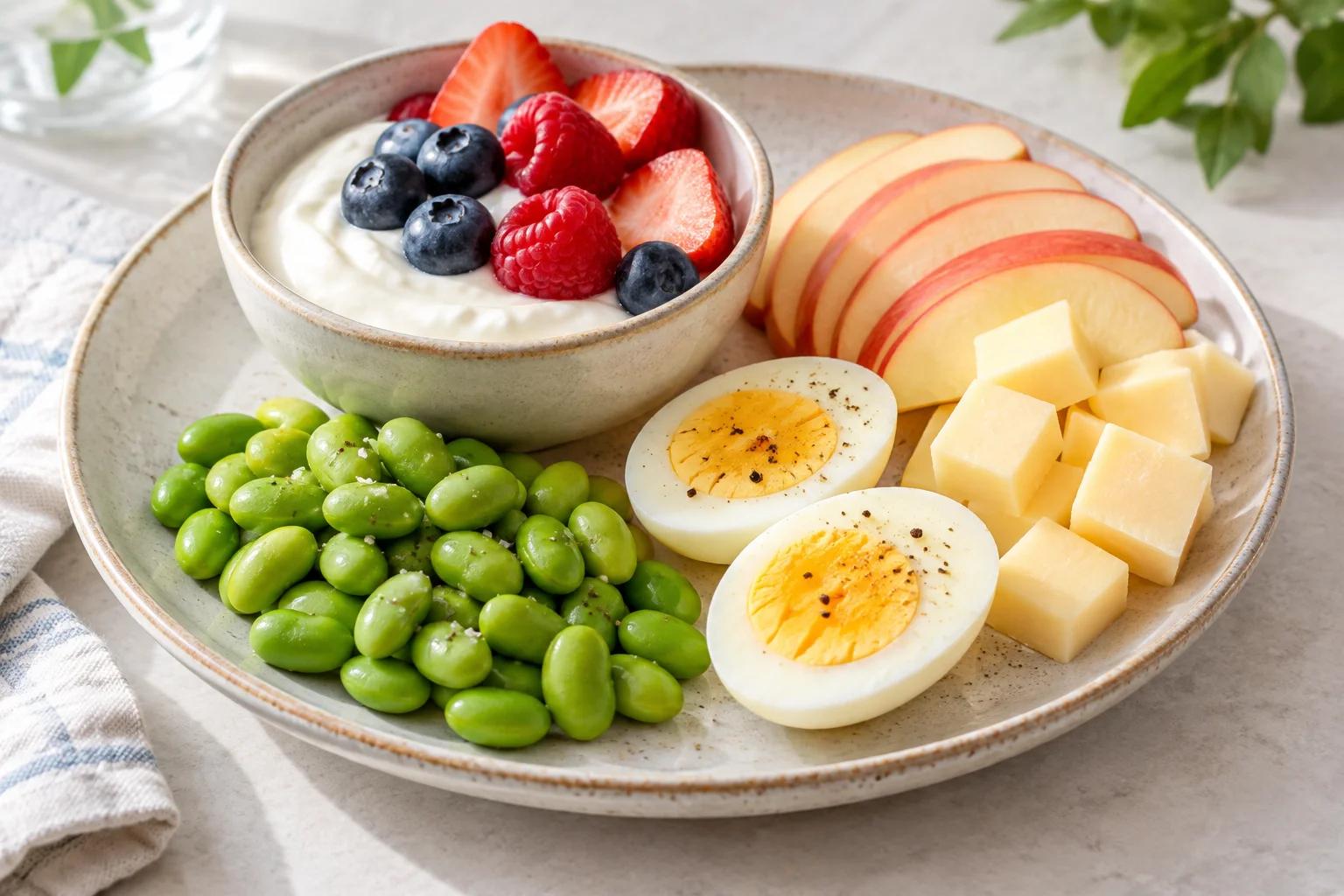
The best snacks for people with diabetes combine about 7 to 15 grams of protein with fiber and limited carbohydrate, roughly 15 grams or less. This pairing slows digestion and blunts blood-sugar spikes. Good options include Greek yogurt with berries, cheese with an apple, hard-boiled eggs, nuts, edamame, and low-sugar jerky or protein bars with fiber.
This article is informational and not medical advice. Talk to your doctor or a registered dietitian (ideally a Certified Diabetes Care and Education Specialist, CDCES) about the snack plan that fits your medications and goals.
Key takeaways
- Starting target per snack: 7–15 g protein, about 15 g carbs or less, 3 g+ fiber.
- Protein barely moves blood glucose, but it does not treat low blood sugar.
- Kidney disease? Ask before adding protein; limits are individual.
- In bars, maltitol raises glucose more than erythritol.
- Your own meter or CGM reading is the best test.
What makes a good snack for diabetes?
A diabetes-friendly snack caps the carbohydrate load, slows its absorption and keeps you full enough to avoid grazing. Protein, fiber and healthy fat help with the last two.
A practical checklist:
- Carbohydrate: about 15 g or less for most snacks (one carb-counting unit). Guidance varies: Clemson Extension (opens in a new tab) suggests 5 to 30 g, and UF Health (opens in a new tab) describes 15 to 45 g snacks when needed for medication or activity. Treat 15 g as a starting point.
- Protein: 7 to 15 g. Some sources suggest more on GLP-1 medications, but we found no consensus number.
- Fiber: 3 g or more, from vegetables, berries, legumes, nuts and seeds.
- Added sugar: as close to zero as practical. The 2025–2030 Dietary Guidelines advise no more than 10 g of added sugar per meal for everyone, according to the AAFP summary (opens in a new tab).
- Sodium: watch it. Jerky, deli meat and cottage cheese are salty.
The CDC's diabetes meal planning guidance (opens in a new tab) rests on the same ideas.
How protein affects blood sugar
Carbohydrate is the main driver of blood glucose after eating; protein has a much smaller direct effect. The American Diabetes Association's Standards of Care (opens in a new tab) note that in people with type 2 diabetes, ingested protein appears to raise insulin response without raising plasma glucose. For that reason, the ADA advises that carbohydrate sources high in protein should not be used to treat or prevent hypoglycemia. If you have a low, use fast-acting glucose as your care plan directs.
Protein still helps: eaten with carbohydrate, it tends to slow how fast glucose enters the bloodstream, it is filling, and with physical activity it helps preserve muscle, a major site of glucose uptake.
What the research shows, and what it doesn't
Direct evidence on protein snacks is thin. The clearest study we found, a 2021 crossover trial (opens in a new tab) in 30 adults with type 2 diabetes, compared two lab-made soy- and almond-protein snacks with white bread (50 g carbohydrate). The two-hour glucose response (area under the curve) was roughly 28% lower after the protein snacks; overall insulin response did not differ significantly. Caveats: one test session, snacks not sold in stores, serving amounts not fully clear, and people using insulin or with kidney disease were excluded.
What about CGM data? None of the top-ranking snack guides we reviewed show continuous glucose monitor traces for real snacks, and we haven't run our own tests. What is known: carbohydrate amount drives most of the rise, and protein, fat or fiber usually flatten it. What isn't known: how a given bar or jerky affects you, since responses vary between people and from day to day.
With a CGM, test one new snack at a time on a few days, note the peak and time back to range, and share the pattern with your care team. Don't change medication based on snack experiments without their input.
Diabetes, kidney disease and protein: check first
Diabetes is the leading cause of kidney disease, according to the NIDDK (opens in a new tab), and about 1 in 3 adults with diabetes has chronic kidney disease (CKD), per the CDC (opens in a new tab). Early CKD often has no symptoms; regular blood and urine tests find it.
With CKD, protein advice becomes personal. A Kaiser Permanente care sheet on diabetes and kidney disease (opens in a new tab) says you may need to limit protein and should ask your doctor or dietitian how much to eat each day. It gives no single number; the right amount depends on your kidney function and treatment, including dialysis. You still need some protein.
The care sheet also flags salt, potassium and phosphorus, so go easy on jerky, deli and processed meats, and large dairy portions. If you have CKD, don't use this article's 7–15 g protein target until your care team confirms it fits you.
20 high-protein snacks for diabetics
Whole-food snacks
Values rounded from USDA FoodData Central (opens in a new tab) and labels.
| Snack | Protein (g) | Carbs (g) | Fiber (g) | Sugar (g) | Calories |
|---|---|---|---|---|---|
| 2 hard-boiled eggs | 12.5 | 1 | 0 | 1 | ~155 |
| 6 oz plain nonfat Greek yogurt + ½ cup raspberries | 18 | 13 | 4 | 8 (natural) | ~130 |
| ½ cup 2% cottage cheese + ½ cup cucumber | 12 | 6 | 0.5 | 5 (natural) | ~100 |
| Tuna pouch (2.6 oz) + celery sticks | 17 | 2 | 1 | 1 | ~85 |
| ½ cup shelled edamame | 9 | 7 | 4 | 2 | ~95 |
| 1 string cheese + 1 small apple | 7 | 21 | 4 | 15 (natural) | ~155 |
| 2 oz turkey breast rolled with lettuce and mustard | 10 | 2 | 0.5 | 1 | ~65 |
| 1 oz almonds | 6 | 6 | 3.5 | 1 | ~165 |
| 1 oz pumpkin seeds | 8.5 | 3 | 2 | 0 | ~160 |
| 3 oz shrimp + 2 tbsp cocktail sauce | 20 | 7 | 0 | 5 | ~115 |
| ¼ cup hummus + 1 cup bell pepper strips | 6 | 14 | 6 | 4 | ~130 |
| 2 tbsp peanut butter + 2 celery stalks | 8 | 10 | 3 | 4 | ~200 |
| 3 oz extra-firm tofu (FDC 174290) | 8.5 | 1 | 1 | 0.5 | ~70 |
| Low-fat milk, 1 cup | 8 | 12 | 0 | 12 (natural) | ~105 |
The apple and milk options run near or above 15 g of carbohydrate, so they suit people with more carb room. "Natural" sugars still raise glucose.
Explore more in dairy snacks and portion-friendly nuts and seeds.
Packaged snacks
Sources: US Open Food Facts records (ranges from our analysis); skyr from USDA FDC 2625922.
| Snack | Protein (g) | Carbs (g) | Fiber (g) | Sugar (g) | Notes |
|---|---|---|---|---|---|
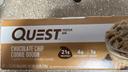
| Quest Chocolate Chip Cookie Dough (60 g bar) | 21 | 20 | 12 | 1 (0 added) | Sweetened with erythritol, stevia and sucralose |
| Beef jerky, no added sugar (1 oz) | 10–14 | 0–3 | 0 | 0–1 | Median ~410 mg sodium per serving |
| Meat stick, zero sugar (~1 oz) | 6–8 | 0–1 | 0 | 0 | Watch sodium |
| Dry-roasted edamame (30 g) | 13–14 | 8–12 | 5–9 | 1–2 | Short ingredient list |
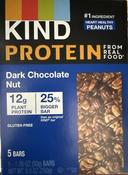
| KIND Protein Dark Chocolate Nut (50 g bar) | 12 | 18 | 5 | 8 (6 added) | Nut-based; moderate added sugar |
| Plain low-fat skyr, ¾ cup (170 g) | 20 | 9 | 0 | 4 (0 added) | Needs refrigeration |
Our low-sugar protein snacks and keto protein snacks pages filter the full catalog by sugar and net carbs.
Protein bars for diabetics: what to check
Bars vary more than any other snack, so read every label:
- Total carbohydrate and fiber. "Net carbs" is not an FDA-defined term, and brands calculate it differently. Start with total carbohydrate, then fiber.
- Sugar alcohols, by name. In a 2003 review of polyols (opens in a new tab), maltitol had a glycemic index of about 35 (table sugar was about 65), while erythritol was about 0. If maltitol is high on the ingredient list, count much of it as carbohydrate. Allulose is also reported to have little glucose effect, but we found less direct evidence for it.
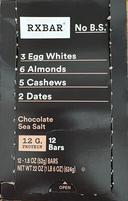
- Added sugar. Under 5 g is a good target. Date-sweetened bars like RXBAR Chocolate Sea Salt have 0 g added sugar on the current US label (the sugar comes from dates) but 14 g of total sugar and 23 g of carbohydrate, more than many people with diabetes want in one snack.
- Protein: 10 g or more, from a complete source such as whey, milk, egg or soy. If you have kidney disease, check with your care team first.
- Your own response. A meter or CGM reading two hours after eating tells you more than any label.
For label-reading basics, see how to choose a healthy protein snack and are protein bars healthy?.
Snacks to limit
- Granola bars and "energy" bars. Often 20 to 30 g of carbohydrate with little protein.
- Flavored yogurt. Can carry 15 to 20 g of sugar per cup. Buy plain and add berries.
- Trail mix with candy or dried fruit. Dried fruit concentrates sugar; a quarter cup of raisins has about 30 g of carbohydrate.
- Sweet jerky flavors. In our analysis of 677 US Open Food Facts jerky records, teriyaki, honey and other sweet flavors had a median of about 6 g of sugar per ounce, and even "original" jerky was near 5 g. Read the label, not the flavor name.
- Crackers and pretzels alone. Mostly refined starch. Pair with cheese or tuna if you eat them.
- "Sugar-free" sweets with maltitol. They can still raise blood glucose and often cause digestive upset.
Snack timing and portion tips
- Snack for a reason. Clemson Extension suggests asking whether you're truly hungry, need fuel for activity, or need carbohydrate to stay in range.
- Mind the gaps. Clemson's factsheet cites the ADA's advice to eat balanced meals about every 4 to 5 hours.
- Bedtime snacks are individual. UF Health notes newer insulins have made routine bedtime snacks for preventing lows less common. Ask your care team.
- Plan around exercise. A protein-plus-carb snack before longer activity can help prevent lows if you use insulin or sulfonylureas.
- Pre-portion and pair. Nuts, cheese and jerky are easy to overeat from the bag, and fruit is gentler with cheese, yogurt or nuts than alone.
- Children and pregnancy differ. This guide is for adults. Kids with diabetes and people with gestational diabetes need plans from their own care teams.
Frequently asked questions
Does protein raise blood sugar?
Very little in most people with diabetes. Protein has a minimal direct effect on blood glucose compared with carbohydrate, though it does stimulate some insulin release. The American Diabetes Association notes that protein should not be used to treat or prevent low blood sugar, because it can increase insulin response without raising glucose quickly.
Are protein bars OK for diabetics?
Some are. Look for bars with at least 10 grams of protein, 3 grams or more of fiber, under 5 grams of sugar and modest total carbohydrate. Be cautious with bars sweetened mainly with maltitol, which raises blood glucose more than erythritol. Check your own response with a meter or CGM.
What is the best snack for a diabetic to eat at night?
A small, low-carb, protein-rich snack works well for many people, such as half a cup of cottage cheese, a hard-boiled egg with a few nuts, or plain Greek yogurt with a few berries. If you take insulin or sulfonylureas, ask your care team whether a bedtime snack is recommended for you.
What snacks don't raise blood sugar?
Snacks that are mostly protein and fat with few carbohydrates raise blood sugar the least: hard-boiled eggs, cheese, jerky without added sugar, tuna, nuts and seeds, and non-starchy vegetables with hummus or guacamole. Everyone's response differs, so testing two hours after eating is the best way to know.
How many carbs should a diabetic snack have?
There is no single right number. Health-system and extension guides range from about 5 to 45 grams, and 15 grams or less is a common starting point. Your target depends on medication, activity and your overall meal plan. Pairing carbs with 7 to 15 grams of protein and some fiber helps slow the rise.
Can people with diabetes and kidney disease eat high-protein snacks?
Only with guidance. Diabetes is the leading cause of kidney disease, and people with both conditions may need to limit protein. There is no single number that fits everyone; your doctor or dietitian sets the amount based on your kidney function and treatment. Ask before adding protein bars or extra protein snacks.
Medical disclaimer
This article is informational and not medical advice. Talk to your doctor or a registered dietitian. If you take insulin or medications that can cause low blood sugar, follow your care team's guidance on snacks and treating hypoglycemia. If you have kidney disease, ask your care team how much protein is right for you before following any targets here.
Sources
- Dietary Guidelines for Americans 2025–2030 (opens in a new tab) (primary source)
- American Diabetes Association: Standards of Care in Diabetes—2026 (Diabetes Care, vol. 49, suppl. 1) (opens in a new tab)
- CDC: Diabetes Meal Planning (opens in a new tab)
- CDC: Diabetes and Chronic Kidney Disease (opens in a new tab)
- NIDDK: Diabetic Kidney Disease (opens in a new tab)
- Kaiser Permanente (Healthwise): Diabetes and Kidney Disease care sheet, 2026 (opens in a new tab)
- UF Health: Snacking When You Have Diabetes (opens in a new tab)
- Clemson Extension: Healthy Snacking with Diabetes (opens in a new tab)
- Yang J, et al. High-protein snacks in type 2 diabetes. Nutr Res Pract, 2021 (opens in a new tab)
- Livesey G. Polyols as sugar replacers. Nutr Res Rev, 2003 (opens in a new tab)
- USDA FoodData Central (opens in a new tab)
- AAFP summary of the Dietary Guidelines for Americans 2025–2030 (opens in a new tab)
- Open Food Facts (opens in a new tab) US product data: our analysis of 677 US Open Food Facts jerky records; records with implausible nutrition excluded.
More background reading is on our resources page.