Which protein snacks rank best by protein per calorie?
The table below compares 16 snacks: 11 whole foods with nutrition from USDA FoodData Central (opens in a new tab) and 5 packaged bars with label data from Open Food Facts (opens in a new tab). We calculated every figure for the serving shown, and the table is sorted by grams of protein per 100 calories. That number shows how much protein you get for your calorie budget. The last column checks each snack against two common targets: at least 10 g of protein and no more than 200 calories.
| Rank |
Snack |
Serving |
Calories |
Protein (g) |
Protein per 100 kcal |
Sodium (mg) |
10 g+ protein, ≤200 kcal? |
Data |
| 1 |
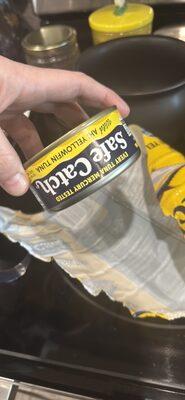
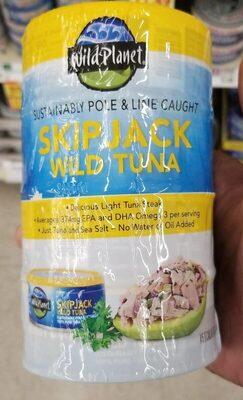
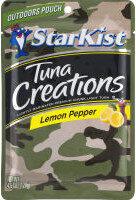
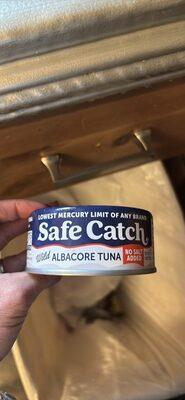
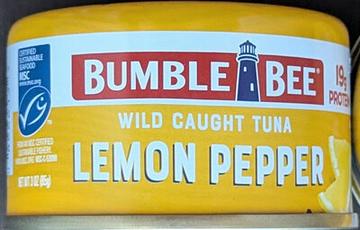
Light tuna, canned in water, drained |
3 oz (85 g) |
73 |
16.5 |
22.6 |
210 |
Yes |
FDC 173709 (opens in a new tab) |
| 2 |
Greek yogurt, plain, nonfat |
170 g (6 oz) |
100 |
17.3 |
17.3 |
61 |
Yes |
FDC 170894 (opens in a new tab) |
| 3 |
Cottage cheese, 1% milkfat |
½ cup (113 g) |
81 |
14.0 |
17.2 |
459 |
Yes |
FDC 173417 (opens in a new tab) |
| 4 |
Quest Chocolate Chip Cookie Dough Protein Bar |
1 bar (60 g) |
190 |
21 |
11.1 |
220 |
Yes |
OFF 0888849000036 (opens in a new tab) |
| 5 |
Edamame, shelled, prepared |
1 cup (155 g) |
188 |
18.4 |
9.8 |
9 |
Yes |
FDC 168411 (opens in a new tab) |
| 6 |
Hard-boiled egg |
1 large (50 g) |
78 |
6.3 |
8.1 |
62 |
No (protein) |
FDC 173424 (opens in a new tab) |
| 7 |
Beef jerky |
1 oz (28 g) |
115 |
9.3 |
8.1 |
498 |
No (protein) |
FDC 167536 (opens in a new tab) |
| 8 |
Part-skim mozzarella (string cheese) |
1 oz (28 g) |
83 |
6.7 |
8.1 |
186 |
No (protein) |
FDC 171244 (opens in a new tab) |
| 9 |
Clif Builders Chocolate Protein Bar |
1 bar (68 g) |
280 |
20 |
7.1 |
213 |
No (calories) |
OFF 0722252168511 (opens in a new tab) |
| 10 |
RXBAR Chocolate Sea Salt |
1 bar (52 g) |
200 |
12 |
6.0 |
190 |
Yes |
OFF 0857777004232 (opens in a new tab) |
| 11 |
Chickpeas, cooked |
½ cup (82 g) |
134 |
7.3 |
5.4 |
6 |
No (protein) |
FDC 173757 (opens in a new tab) |
| 12 |
Pumpkin seed kernels, roasted, unsalted |
1 oz (28 g) |
161 |
8.3 |
5.2 |
5 |
No (protein) |
FDC 170557 (opens in a new tab) |
| 13 |
KIND Protein Dark Chocolate Nut |
1 bar (50 g) |
240 |
12 |
5.0 |
125 |
No (calories) |
OFF 0602652276958 (opens in a new tab) |
| 14 |
Peanuts, dry-roasted, unsalted |
1 oz (28 g) |
164 |
6.8 |
4.2 |
2 |
No (protein) |
FDC 173806 (opens in a new tab) |
| 15 |
Almonds, dry-roasted, unsalted |
1 oz (28 g) |
167 |
5.9 |
3.5 |
1 |
No (protein) |
FDC 170158 (opens in a new tab) |
| 16 |
Larabar Cashew Cookie |
1 bar (48 g) |
230 |
4 |
1.7 |
10 |
No (both) |
OFF 0021908509259 (opens in a new tab) |
Two eggs (100 g) give 12.6 g of protein for 155 calories and pass both checks. Packaged figures are label data via Open Food Facts. Recipes change: Open Food Facts now also lists a newer Quest formulation at 250 calories and 25 g of protein, so check the current package before you buy.
What the numbers show. Plain dairy and lean seafood give you the most protein per calorie. Only one bar comes close to them, and RXBAR just meets the 200-calorie line. Nuts and seeds are nutritious, but most of their calories come from fat, so they score low on protein density. For more detail on the metric, read our guide to protein per 100 calories.
Best protein snacks by goal
Fewest calories for the most protein
Tuna, Greek yogurt and cottage cheese each deliver 14 to 17 g of protein for about 100 calories or less. Cleveland Clinic keeps its featured snack ideas at 150 to 170 calories (opens in a new tab) and treats anything above about 200 calories as a mini-meal. All three fit well inside that range. We list more options in low-calorie high-protein snacks.
Shelf-stable snacks for travel or your desk
Pouched or canned tuna, jerky, roasted pumpkin seeds and protein bars need no fridge. Jerky has a real trade-off: the USDA entry shows about 498 mg of sodium per ounce, and Harvard Health (opens in a new tab) also advises watching the sodium in jerky. See high-protein snacks on the go for more ideas.
Plant-based
A cup of shelled edamame gives 18.4 g of protein and 8.1 g of fiber for 188 calories. That makes it the strongest plant option on our list. Chickpeas and pumpkin seeds add protein and fiber, but at about 5 g per 100 calories, they are better as part of a snack than as the whole snack.
After a workout
Harvard Health suggests eating a high-protein snack within 30 to 60 minutes of strength training. Greek yogurt, cottage cheese or a high-protein bar can cover that easily. Our post-workout protein snacks guide goes deeper.
What makes a protein snack healthy?
Protein is only the first check. After it, look at four more numbers on the label:
- Added sugar. Bars differ widely here, so read the added-sugar line on each label. Cleveland Clinic's guide to choosing health bars (opens in a new tab) suggests about 2 g of added sugar or less in a snack bar.
- Fiber. The same guide suggests a bar give at least 2 to 3 g of fiber. Edamame, chickpeas and nuts supply fiber naturally.
- Sodium. Jerky and cottage cheese are the salty picks on our list. Plain yogurt, eggs and unsalted nuts stay low.
- Sugar alcohols and sweeteners. Many low-sugar bars use them in place of sugar. Cleveland Clinic flags sugar alcohols as worth limiting, but it doesn't set an amount.
Whole foods win on simplicity, and a few packaged snacks win on convenience. We explain how to judge bars in more detail in are protein bars healthy?.
How much protein should a snack have?
Our benchmark is 10 g per serving. The FDA sets the protein Daily Value at 50 g (opens in a new tab), and its labeling rules let a food claim to be "high" in a nutrient at 20% or more of the Daily Value (opens in a new tab) per serving, which works out to 10 g of protein. Harvard Health uses a lower floor of 5 g for a healthy protein snack. It also notes that the body handles roughly 20 to 40 g of protein at a time, so spreading protein across meals and snacks makes sense.
Daily targets are under debate. A PBS NewsHour/AP report from January 2026 (opens in a new tab) says the new federal Dietary Guidelines raise the adult target to 1.2 to 1.6 g of protein per kilogram of body weight a day, up from 0.8 g. Some nutrition experts quoted in the report doubt that most people need more. We have not checked this figure against the guideline text on dietaryguidelines.gov. Read how much protein a snack should have for a fuller breakdown.
Do high-protein snacks keep you fuller?
The evidence is promising but limited. In a randomized crossover trial (opens in a new tab), 20 healthy women ate equal 160-calorie afternoon snacks. After a high-protein yogurt, they waited about 30 minutes longer to ask for dinner than after chocolate. They also ate about 100 fewer calories at dinner than after crackers. The authors note that this was a single-day study and that longer trials are needed.
How we rank
We use a simple, published method (see also How we rank snacks). We assign no star ratings, and we don't publish reviews we haven't collected.
- Primary metric: grams of protein divided by calories, times 100 (protein per 100 kcal), for the stated serving.
- Data sources: we take whole-food values from USDA FoodData Central SR Legacy entries (linked in the table) and scale them from per-100 g values to a common serving. Packaged values are label data via Open Food Facts, linked by barcode.
- Checks shown, not hidden: each snack is marked against 10 g of protein and 200 calories. We also report sodium, and we discuss sugar and fiber in the text.
- Tie-breaks: when protein density is close, we favor lower sodium and less added sugar.
- What we don't measure: taste, price per gram of protein, and protein quality. Those vary by brand and store, so we leave them out rather than guess.
We update this page as products are added to the catalog. For diet-specific rankings, see vegan protein snacks, keto protein snacks, low-sugar protein snacks and protein snacks for weight loss.