Key takeaways
- Weight loss comes from eating fewer calories than you use. A snack only helps if it fits inside that budget (MedlinePlus (opens in a new tab)).
- Protein-rich, low-calorie snacks can make the gap between meals easier. The best whole-food options give 15 to 23 g of protein per 100 calories.
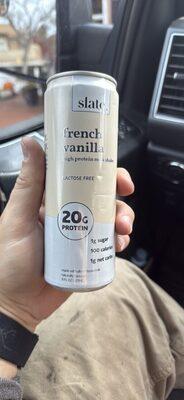
- Most packaged bars score much lower. The five we checked give 1.7 to 11 g of protein per 100 calories (label data via Open Food Facts).
- Watch sodium in cottage cheese, jerky and canned fish.
This page is general information, not medical advice. If you have a health condition, take medication, or follow a prescribed diet, talk with your doctor or a registered dietitian before changing how you eat.
Do protein snacks help you lose weight?
Protein snacks can help, but not in the way many roundups suggest. No food burns fat or "boosts" weight loss by itself. According to the National Library of Medicine's MedlinePlus (opens in a new tab), you lose weight when you take in fewer calories than you use up. Everything else comes back to that.
A snack affects that balance in two ways. First, its own calories count. A 250-calorie bar eaten on top of your usual meals adds 250 calories. Second, it may change how much you eat later. This is where protein seems to help. Harvard Health Publishing (opens in a new tab) notes that a low-calorie, high-protein snack can help you feel fuller until your next meal.
So the useful question isn't whether a snack is "high protein." It's whether it gives you the most fullness for the fewest calories. That is why we rank by protein per 100 calories rather than grams of protein per serving.
What the research actually measured
The study most often used to support protein snacks is a 2014 randomized crossover trial by Ortinau and colleagues in Nutrition Journal (opens in a new tab). It is worth understanding what it did and didn't show.
- Who: 20 healthy, normal-weight women in their twenties.
- What: On three separate test days, each woman ate a 160-calorie afternoon snack: a 6-ounce yogurt with 14 g of protein, crackers with no protein, or chocolate with 2 g of protein. The crackers and chocolate each had about 9 g of fat.
- Measured: Self-rated hunger and fullness every 30 minutes, how long until they asked for dinner, and how much they ate at an all-you-want dinner.
The results favored the yogurt, but not on every measure. Afternoon hunger dropped more after yogurt than after chocolate, but not significantly more than after crackers. Women asked for dinner about 30 minutes later after yogurt than after chocolate. They ate roughly 100 fewer calories at dinner after the yogurt than after the crackers, with a similar but less statistically certain gap compared with chocolate.
Now the limits. This was a short test on single days, in a small group of normal-weight women, so it may not apply to men or to people with obesity. The yogurt was also much lower in energy density and differed in sugar and fat, not just protein. The authors themselves say longer trials are needed to test effects on body weight. The study was funded by a food company's nutrition institute, which the authors say had no role in the design or analysis.
The fair summary: a protein-rich, low-calorie snack curbed short-term appetite and later intake in this trial. That supports the idea, but it does not show that protein snacks cause weight loss over weeks or months.
Which protein snacks are best for weight loss, by protein per 100 calories?
We calculated each value from USDA FoodData Central per-100-gram data for whole foods, and from label data via Open Food Facts for packaged bars (each bar links to its record). Protein per 100 calories = protein (g) ÷ calories × 100. Brands vary, so check your label.
A few patterns stand out. The top three are plain, minimally processed foods that are mostly protein and water. Only one packaged bar, the Quest bar, meets our weight-loss cutoff of 10 g or more of protein for 200 calories or less. Almonds are nutritious and high in fiber, but at under 4 g of protein per 100 calories they are a fat-rich snack, not a protein-dense one. Portions matter more than the food itself there.
For a deeper explanation of the metric, see our guide to protein per 100 calories. For more options, see our list of low-calorie, high-protein snacks.
How many calories should a protein snack have?
No official rule sets snack calories. A practical range is 100 to 200 calories. That is enough to take the edge off hunger without eating a small meal.
Here is how to think about it in numbers. If you add two 150-calorie snacks, that is 300 calories that need to come out of your meals or be offset by activity. Otherwise the snacks work against the energy balance that drives weight loss (opens in a new tab).
For protein, Harvard Health (opens in a new tab) suggests snacks with at least 5 g. For weight loss we use a stricter cutoff of 10 g or more within 200 calories. Harvard also recommends spreading protein across meals and snacks rather than packing it into one or two meals. Our article on how much protein a snack should have goes further.
How much protein do you need per day? Harvard Health gives the long-standing recommended dietary allowance as 0.8 g per kilogram of body weight. An Associated Press report published by PBS NewsHour in January 2026 (opens in a new tab) says new federal Dietary Guidelines raise the adult recommendation to 1.2 to 1.6 g per kilogram. The same report notes that several nutrition experts doubt most people need that much. We have not verified these figures against dietaryguidelines.gov, so treat them as reported, not confirmed.
What should you check on packaged protein snacks?
Packaged protein snacks are convenient, but two things deserve a look.
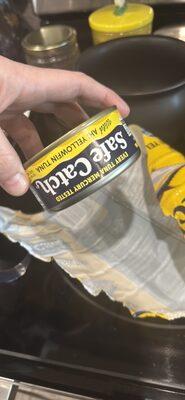
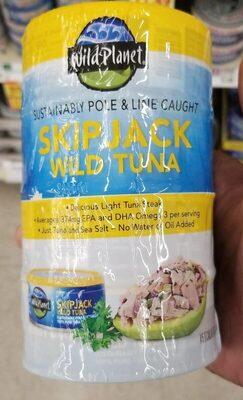
Sodium. The FDA (opens in a new tab) sets the Daily Value at less than 2,300 mg a day. It calls 20% DV or more per serving (about 460 mg) high. In our table, a 1-ounce serving of beef jerky (505 mg) and half a cup of cottage cheese (459 mg) reach that level. Light tuna in water is moderate at 210 mg per 3 ounces, and some brands are higher.
Serving size. A jerky bag or nut pouch often holds two or more servings. Eating the whole bag doubles or triples the calories.
Are protein bars good for weight loss?
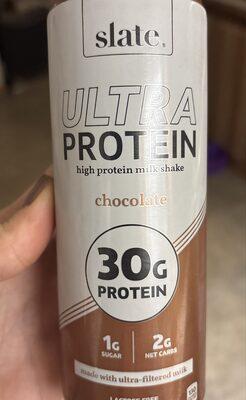
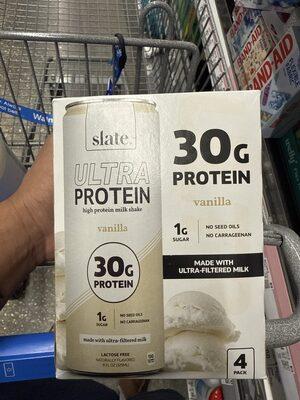
Bars vary the most. Across the five we checked (label data via Open Food Facts), protein ranges from 4 to 21 g per bar and sugar from 1 to 17 g. Only one comes in under 200 calories. Read more in are protein bars healthy? and our low-sugar protein snacks list.
Why pair protein with fiber?
Protein alone isn't the only route to a satisfying snack. Fiber-rich, watery foods such as vegetables, berries and edamame add volume for few calories. In the Ortinau trial, the more filling snack was also the one with the lowest energy density, meaning the fewest calories per gram.
Easy combinations using the USDA figures above:
- Greek yogurt with berries: 6 oz nonfat Greek yogurt (100 calories, 17 g protein) plus a handful of fruit.
- Cottage cheese and edamame: ½ cup of each is about 175 calories, 23 g of protein and 4 g of fiber.
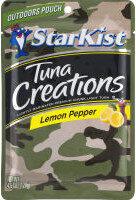
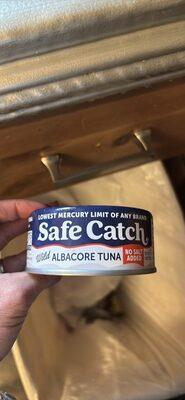
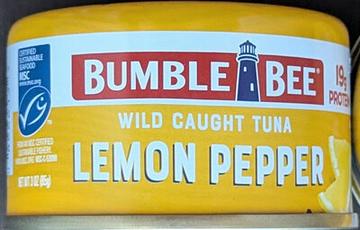
- Tuna on cucumber slices: 3 oz tuna (73 calories, 16.5 g protein) plus raw vegetables for crunch.
- Egg and veggies: one hard-boiled egg (about 78 calories, 6 g protein) with cherry tomatoes and carrots.
Who should check with a clinician first?
High-protein snacks are ordinary foods, but your needs depend on your health. Talk to your doctor or a registered dietitian before changing your protein intake if you have kidney or liver disease, diabetes, or a condition that limits sodium. The same applies if you are pregnant, take weight-loss medication, or follow a prescribed eating plan. Weight-loss results vary from person to person, and this page doesn't promise any particular result.
How did we choose and rank these snacks?
We ranked snacks by protein per 100 calories, our main metric across the site. We flagged snacks that miss our weight-loss cutoff of 10 g of protein within 200 calories. Whole-food values come from USDA FoodData Central (SR Legacy) and were scaled to the serving shown. Packaged-bar values are label data via Open Food Facts and can change when brands reformulate, so check the wrapper. We don't accept payment for rankings, and we don't publish star ratings or reviews we haven't collected. For our full criteria, see How we rank snacks. See the full ranked directory on our best protein snacks page.