Skip to content

Best Keto Protein Snacks: Low-Carb Picks Under 5 g Net Carbs

Keto-friendly protein snacks have about 5 g or fewer net carbs (total carbs minus fiber) per serving and at least 6 g of protein, or 10 g+ if it's your main protein. Eggs, cheese, tuna, pork rinds and unsweetened jerky fit easily. Most protein bars do not: the typical bar in our data has about 16 g of net carbs.

Updated 262 snacks comparedHow we rank

Top 10 ranked by protein per 100 caloriesEvery pick has 5 g net carbs or less per serving. "Labeled keto" marks snacks the brand labels keto; the rest are keto-friendly by the numbers.
RankSnackProtein (g)CaloriesProtein per 100 kcalSugar (g)Net carbs (carbs − fiber)Diets
1Wild Ahi Yellowfin Tuna PouchSafe Catch2611023.600Keto-friendly
2Light Tuna in Water PouchBumble Bee146023.300Keto-friendly
3Chocolate Ultra Protein Milk ShakeSlate3013023.112Keto-friendlyGluten-free
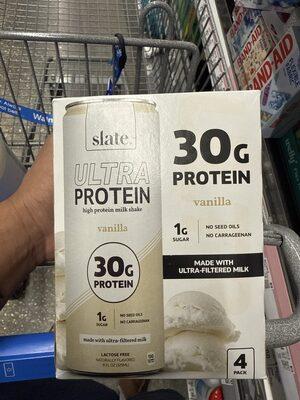
4Vanilla Protein Milk ShakeSlate3013023.111Keto-friendly
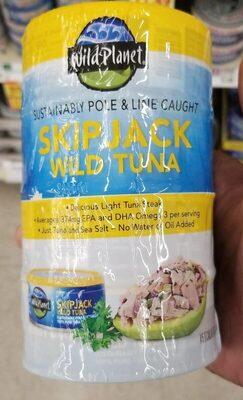
5Wild Skipjack TunaWild Planet3214022.9–0Keto-friendly
6Lightly Marinated Premium Chunk Light TunaStarKist12.75722.30.40.4Keto-friendly
7Wild Albacore Tuna PouchSafe Catch221002200Keto-friendly
8Hickory Smoked Teriyaki Beef JerkyPony Express136021.701Keto-friendly
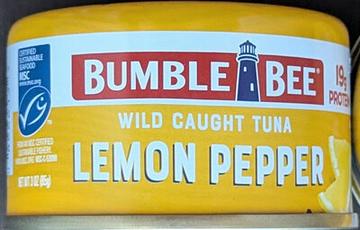
9Lemon Pepper Seasoned TunaBumble Bee199021.112Keto-friendlyGluten-free
10French Vanilla High Protein Milk ShakeSlate209620.811Keto-friendlyGluten-free

The top 10, up close

We may earn a commission when you buy through links marked as affiliate links. It never changes the ranking, which is based only on the nutrition numbers.

  1. Safe Catch Wild Ahi Yellowfin Tuna Pouch package front

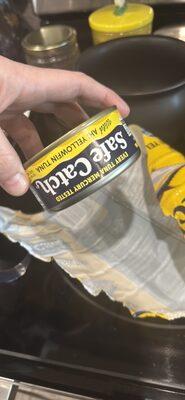
    1.Safe Catch Wild Ahi Yellowfin Tuna Pouch

    Safe Catch Wild Ahi Yellowfin Tuna Pouch: 26 g of protein and 110 calories per serving (23.6 g protein per 100 calories) and no sugar. That puts it among the most protein-dense savory snacks in our catalog. It fits keto targets at 0 g net carbs per serving.

    26 g protein, 110 cal, 23.6 g per 100 cal, 0 g sugar per 1 portion (85.048 g)

    Good:
    Excellent protein density: 23.6 g protein per 100 calories
    Watch:
    Contains fish

    Full nutrition for Wild Ahi Yellowfin Tuna PouchBuy at Amazon (opens in a new tab)

  2. 2.Bumble Bee Light Tuna in Water Pouch

    Bumble Bee Light Tuna in Water Pouch: 14 g of protein and 60 calories per serving (23.3 g protein per 100 calories) and no sugar. That puts it among the most protein-dense savory snacks in our catalog. It fits keto targets at 0 g net carbs per serving.

    14 g protein, 60 cal, 23.3 g per 100 cal, 0 g sugar per 1 POUCH (60 g)

    Good:
    Excellent protein density: 23.3 g protein per 100 calories
    Watch:
    Contains fish

    Full nutrition for Light Tuna in Water PouchBuy at Amazon (opens in a new tab)

  3. Slate Chocolate Ultra Protein Milk Shake package front

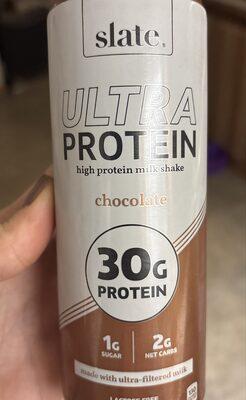
    3.Slate Chocolate Ultra Protein Milk Shake

    Slate Chocolate Ultra Protein Milk Shake: 30 g of protein and 130 calories per serving (23.1 g protein per 100 calories), with just 1 g sugar. That puts it among the most protein-dense savory snacks in our catalog. Its label claims: gluten-free. It fits keto targets at 2 g net carbs per serving.

    30 g protein, 130 cal, 23.1 g per 100 cal, 1 g sugar per 1 serving (325 ml)

    Good:
    Excellent protein density: 23.1 g protein per 100 calories
    Watch:
    Ultra-processed (NOVA group 4)

    Full nutrition for Chocolate Ultra Protein Milk ShakeBuy at Amazon (opens in a new tab)

  4. Slate Vanilla Protein Milk Shake package front

    4.Slate Vanilla Protein Milk Shake

    Slate Vanilla Protein Milk Shake: 30 g of protein and 130 calories per serving (23.1 g protein per 100 calories), with just 1 g sugar. That puts it among the most protein-dense savory snacks in our catalog. It fits keto targets at 1 g net carbs per serving.

    30 g protein, 130 cal, 23.1 g per 100 cal, 1 g sugar per 11 fl. oz. (11 fl. oz.)

    Good:
    Excellent protein density: 23.1 g protein per 100 calories
    Watch:
    Ultra-processed (NOVA group 4)

    Full nutrition for Vanilla Protein Milk ShakeBuy at Amazon (opens in a new tab)

  5. Wild Planet Wild Skipjack Tuna package front

    5.Wild Planet Wild Skipjack Tuna

    Wild Planet Wild Skipjack Tuna: 32 g of protein and 140 calories per serving (22.9 g protein per 100 calories). That puts it among the most protein-dense savory snacks in our catalog. It fits keto targets at 0 g net carbs per serving.

    32 g protein, 140 cal, 22.9 g per 100 cal per 1 Can (142 g)

    Good:
    Excellent protein density: 22.9 g protein per 100 calories
    Watch:
    High sodium: 450 mg per serving (20% of the 2,300 mg daily limit)

    Full nutrition for Wild Skipjack TunaBuy at Amazon (opens in a new tab)

  6. StarKist Lightly Marinated Premium Chunk Light Tuna package front

    6.StarKist Lightly Marinated Premium Chunk Light Tuna

    StarKist Lightly Marinated Premium Chunk Light Tuna: 12.7 g of protein and 57 calories per serving (22.3 g protein per 100 calories) and no sugar. That puts it among the most protein-dense savory snacks in our catalog. It fits keto targets at 0.4 g net carbs per serving.

    12.7 g protein, 57 cal, 22.3 g per 100 cal, 0.4 g sugar per 2 ONZ (56 g)

    Good:
    Excellent protein density: 22.3 g protein per 100 calories
    Watch:
    Ultra-processed (NOVA group 4)

    Full nutrition for Lightly Marinated Premium Chunk Light TunaBuy at Amazon (opens in a new tab)

  7. Safe Catch Wild Albacore Tuna Pouch package front

    7.Safe Catch Wild Albacore Tuna Pouch

    Safe Catch Wild Albacore Tuna Pouch: 22 g of protein and 100 calories per serving (22 g protein per 100 calories) and no sugar. That puts it among the most protein-dense savory snacks in our catalog. It fits keto targets at 0 g net carbs per serving.

    22 g protein, 100 cal, 22 g per 100 cal, 0 g sugar per 3 oz. (85 g)

    Good:
    Excellent protein density: 22 g protein per 100 calories
    Watch:
    Contains fish

    Full nutrition for Wild Albacore Tuna PouchBuy at Amazon (opens in a new tab)

  8. 8.Pony Express Hickory Smoked Teriyaki Beef Jerky

    Pony Express Hickory Smoked Teriyaki Beef Jerky: 13 g of protein and 60 calories per serving (21.7 g protein per 100 calories) and no sugar. That puts it among the most protein-dense meat snacks in our catalog. It fits keto targets at 1 g net carbs per serving.

    13 g protein, 60 cal, 21.7 g per 100 cal, 0 g sugar per 1 ONZ (28 g)

    Good:
    Excellent protein density: 21.7 g protein per 100 calories
    Watch:
    High sodium: 510 mg per serving (22% of the 2,300 mg daily limit)

    Full nutrition for Hickory Smoked Teriyaki Beef JerkyBuy at Amazon (opens in a new tab)

  9. Bumble Bee Lemon Pepper Seasoned Tuna package front

    9.Bumble Bee Lemon Pepper Seasoned Tuna

    Bumble Bee Lemon Pepper Seasoned Tuna: 19 g of protein and 90 calories per serving (21.1 g protein per 100 calories), with just 1 g sugar. That puts it among the most protein-dense savory snacks in our catalog. Its label claims: gluten-free. It fits keto targets at 2 g net carbs per serving.

    19 g protein, 90 cal, 21.1 g per 100 cal, 1 g sugar per 85g

    Good:
    Excellent protein density: 21.1 g protein per 100 calories
    Watch:
    Ultra-processed (NOVA group 4)

    Full nutrition for Lemon Pepper Seasoned TunaBuy at Amazon (opens in a new tab)

  10. Slate French Vanilla High Protein Milk Shake package front

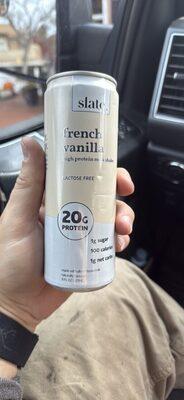
    10.Slate French Vanilla High Protein Milk Shake

    Slate French Vanilla High Protein Milk Shake: 20 g of protein and 96 calories per serving (20.8 g protein per 100 calories), with just 1 g sugar. That puts it among the most protein-dense savory snacks in our catalog. Its label claims: gluten-free. It fits keto targets at 1 g net carbs per serving.

    20 g protein, 96 cal, 20.8 g per 100 cal, 1 g sugar per 311.845g

    Good:
    Excellent protein density: 20.8 g protein per 100 calories
    Watch:
    Ultra-processed (NOVA group 4)

    Full nutrition for French Vanilla High Protein Milk ShakeBuy at Amazon (opens in a new tab)

See all 262 in the snack finder

Keto-friendly protein snacks have about 5 g or fewer net carbs (total carbs minus fiber) per serving and at least 6 g of protein, or 10 g+ if it's your main protein. Eggs, cheese, tuna, pork rinds and unsweetened jerky fit easily. Most protein bars do not: the typical bar in our data has about 16 g of net carbs.

Key takeaways

  • Whole foods win on carbs. Eggs, cheese, tuna and pork rinds have about 0 to 1.6 g of net carbs per serving, based on USDA FoodData Central (opens in a new tab).
  • Bars are the trap. Only about 4% of the 2,035 US Open Food Facts protein bar records we analyzed had 5 g of net carbs or less per serving.
  • Jerky is a coin flip. About 49% of the 1,011 jerky and meat snack records we analyzed stayed at or under 5 g net carbs per serving, and half went over 400 mg of sodium.
  • Read the whole label. On keto you need calories, protein, fat, carbs, fiber and sodium together, which is how the table below is built.

What makes a snack keto?

A ketogenic diet keeps carbohydrate very low, typically fewer than 20 to 50 g a day, and gets most of its calories from fat, according to Harvard Health Publishing (opens in a new tab). With a budget that small, a single snack can matter. A 20 g bar of net carbs could use the entire day.

We use three filters for this page:

  1. Net carbs: about 5 g or fewer per serving. This keeps two snacks well inside a 20 to 50 g daily range.
  2. Protein: at least 6 g per serving, or 10 g+ if it's your main protein until the next meal. Six grams is roughly what one large egg or one cheese stick gives.
  3. No added sugar where you can avoid it. Sugar in jerky marinades and bar coatings is the most common way a "low-carb" snack stops being one.

How do you calculate net carbs?

Net carbs are total carbohydrate minus dietary fiber, as UCLA Health (opens in a new tab) puts it. Fiber is subtracted because the body cannot easily digest it in the small intestine. Many keto shoppers and brands also subtract sugar alcohols. The same UCLA Health column notes that the FDA "isn't on board" with net carbs, so the number is a convention, not a regulated label term.

Here is a worked example using an ounce of dry-roasted almonds from USDA data: 5.9 g total carbs minus 3.1 g fiber equals 2.8 g net carbs.

Keto protein snacks compared: calories, protein, fat, carbs and sodium

Most keto snack lists give protein and net carbs and stop there. This table shows every number you need to decide, for the same serving. All values are calculated from USDA FoodData Central (opens in a new tab) entries (FDC IDs listed) and rounded.

Snack (serving) Calories Protein (g) Fat (g) Total carbs (g) Fiber (g) Net carbs (carbs − fiber) (g) Sodium (mg) Protein per 100 cal USDA FDC ID
Light tuna, canned in water, drained (3 oz / 85 g) 73 16.5 0.8 0 0 0 210 22.6 g 173709
Plain pork rinds (1 oz / 28 g) 152 17.2 8.8 0 0 0 510 11.3 g 167961
Hard-boiled eggs (2 large / 100 g) 155 12.6 10.6 1.1 0 1.1 124 8.1 g 173424
Hard-boiled egg (1 large / 50 g) 78 6.3 5.3 0.6 0 0.6 62 8.1 g 173424
String cheese, low-moisture part-skim mozzarella (1 oz / 28 g) 83 6.7 5.5 1.6 0 1.6 186 8.1 g 171244
Cheddar cheese (1 oz / 28 g) 114 6.5 9.5 0.7 0 0.7 183 5.7 g 328637
Beef jerky, chopped and formed (1 oz / 28 g) 115 9.3 7.2 3.1 0.5 2.6 498 8.1 g 167536
Pumpkin seed kernels, roasted, unsalted (1 oz / 28 g) 161 8.3 13.7 4.1 1.8 2.3 5 5.2 g 170557
Almonds, dry-roasted, unsalted (1 oz / 28 g) 167 5.9 14.7 5.9 3.1 2.8 1 3.5 g 170158

A few things stand out:

  • Tuna is the most protein-dense pick at about 22.6 g of protein per 100 calories. It is also very lean, so pair it with mayo, olive oil or avocado if you need the fat for keto.
  • Pork rinds have the most protein per ounce of any snack here, with zero carbs, but each ounce brings about 510 mg of sodium.
  • Nuts and seeds are keto-friendly but not protein-dense. Almonds give under 4 g of protein per 100 calories because most of their calories come from fat. That is fine on keto, as long as you count the calories.
  • Eggs and cheese are the steady middle: about 6 to 7 g of protein, under 2 g of net carbs and fewer than 120 calories per piece or ounce.

For more on the protein-per-calorie metric, see our guide to protein per 100 calories.

Are protein bars keto, and do sugar alcohols count?

Usually not. We looked at 2,035 US protein bar records from Open Food Facts (opens in a new tab) that list a serving size (bars with "protein" in the name or category, or at least 15 g of protein per 100 g). Using label carbs minus fiber, the median bar had about 16 g of net carbs per serving. Only 88 bars, about 4%, came in at 5 g or less.

Bars that do qualify reach low net carbs in two main ways: added fiber and sugar alcohols. Both still count in total carbohydrate on the US label. The FDA's Nutrition Facts guide (opens in a new tab) lists total sugars, dietary fiber and sugar alcohols as parts of Total Carbohydrate, and lets manufacturers list sugar alcohols separately on a voluntary basis. That is why two bars with similar ingredients can advertise very different "net" numbers.

What to check on a keto bar:

  • The sugar alcohol line. If a bar lists it, you can see exactly what the brand subtracted. If it does not, the front-of-pack net-carb claim is harder to verify.
  • Which sweetener. Sugar alcohols are not all handled the same way by the body, so labels and brands count them differently.
  • How much. A Cleveland Clinic dietitian suggests limiting sugar alcohols (opens in a new tab). One observational study, Witkowski and colleagues in Nature Medicine (2023) (opens in a new tab), linked higher blood levels of erythritol, a common keto sweetener, with more cardiovascular events. That is an association, not proof of harm, but it is a reason not to build your day around sweetened bars.

If you want bars anyway, compare them in our protein bars category and read our take on whether protein bars are healthy.

How much hidden sugar and sodium is in jerky?

Jerky and meat sticks look made for keto: dried meat, high protein, shelf-stable. The label tells a mixed story. In our analysis of 1,011 US Open Food Facts records for jerky and meat snacks with serving data:

Jerky and meat snacks (median or share, per serving) Value
Typical serving 28 g (1 oz)
Median net carbs 5.0 g
Share with 5 g net carbs or fewer 49%
Share with 2 g net carbs or fewer 32%
Median sodium 400 mg
Share over 400 mg sodium 50%

Most of those carbs come from sugar in the marinade: teriyaki, sweet and spicy, and barbecue flavors are the usual culprits. Original, peppered and "zero sugar" varieties are where the keto-friendly products cluster.

Sodium is the other number to watch. The FDA Daily Value for sodium (opens in a new tab) is 2,300 mg, so a median jerky serving uses about 17% of it, and a pork-rind ounce about 22%. Harvard Health's high-protein snack guide (opens in a new tab) recommends jerky but adds the same caution: keep an eye on sodium. If you snack on cured meats more than once a day, balance them with lower-sodium picks like eggs, plain nuts or unsalted pumpkin seeds.

How to pick keto jerky:

  • 2 g of carbs or fewer per ounce and no sugar in the first few ingredients.
  • At least 9 g of protein per ounce, which plain beef jerky reaches easily.
  • Under about 400 mg of sodium per serving when you can find it.

Browse options in jerky and meat snacks.

Which whole-food keto snacks have protein?

You do not need a specialty product to snack on keto. These whole-food combinations stay under about 5 g of net carbs, using the USDA numbers above:

  • Two hard-boiled eggs with salt and pepper: about 12.6 g protein and 1.1 g net carbs.
  • Tuna salad lettuce cups: a 3-ounce pouch or can of light tuna mixed with mayo, about 16.5 g protein. Add the mayo's calories and fat to your count.
  • Cheese and almonds: one string cheese plus half an ounce of almonds, about 9.6 g protein and 3 g net carbs.
  • Pork rind "nachos": an ounce of pork rinds with melted cheddar, about 24 g protein and under 1 g net carbs, but close to 700 mg of sodium.
  • Pumpkin seeds by the handful: an ounce gives about 8 g of protein, 2.3 g net carbs and almost no sodium if you choose unsalted.

Dairy fans can compare cheeses and yogurts in our dairy category. Plain, full-fat Greek yogurt can work in small portions, but check the label, since flavored cups often carry added sugar.

How much protein should a keto snack have?

Enough to be worth it, not so much that it crowds out fat. Harvard Health notes that too much protein can interfere with ketosis (opens in a new tab), and its sample 2,000-calorie keto day includes about 75 g of protein. Against that, a 6 to 15 g snack is modest. Harvard's snack guide (opens in a new tab) suggests at least 5 g of protein for a snack to count as high-protein, and every item in our table clears that bar.

If you are not strictly keto and just want fewer carbs, our best protein snacks and low-sugar protein snacks pages use wider filters.

Is keto right for you?

Keto is not right for everyone. Harvard Health advises talking to a doctor and a registered dietitian before starting a ketogenic diet, and lists risks including nutrient gaps, constipation and strain on the liver and kidneys. If you take medication for diabetes or blood pressure, talk to your clinician first, since cutting carbs sharply can change what you need. Our guide to high-protein snacks for diabetics covers a less restrictive approach.

How did we pick and calculate these numbers?

  • Whole-food numbers come from USDA FoodData Central, scaled from per-100 g values to the serving shown and rounded.
  • Packaged-snack statistics come from our analysis of 23,236 cleaned US Open Food Facts records (2,035 protein bars and 1,011 jerky and meat snacks with a listed serving size), using each product's listed serving size. Net carbs are label total carbohydrate minus fiber. Open Food Facts rarely records sugar alcohols separately, so bars that list them may show lower net carbs on the package than in our figures.
  • No ratings or reviews. We do not score snacks by taste, and nothing on this page is sponsored placement.
  • Labels change. Always check the package in your hand. For our full methodology, see How we rank snacks.
Frequently asked questions

Are protein bars keto?

Most are not. In our analysis of 2,035 US Open Food Facts records for protein bars with a listed serving size, the median bar had about 16 g of net carbs per serving, and only about 4 percent had 5 g or less. Bars sold as keto usually get there with added fiber and sugar alcohols, so read the label and the sweetener list first.

How many net carbs can a keto snack have?

A practical cap is about 5 g of net carbs per snack. Keto diets typically allow fewer than 20 to 50 g of carbs a day, according to Harvard Health, so two snacks at 5 g each can use a large share of a 20 g budget. Whole-food picks like eggs, cheese and tuna sit near zero.

Is beef jerky keto?

Plain jerky can be, but many products are not. In our analysis of 1,011 US Open Food Facts records for jerky and meat snacks with serving data, the median had 5 g of net carbs per serving, mostly from sugar in the marinade, and about 400 mg of sodium. Choose original or zero-sugar flavors with 2 g of carbs or fewer per ounce.

Do sugar alcohols count toward net carbs?

They are part of total carbohydrate on the US Nutrition Facts label, and many keto shoppers subtract them along with fiber. That is a convention, not a rule: the FDA does not define net carbs, and sugar alcohols differ in how much the body absorbs. Brands also count them differently, so compare labels, not front-of-pack claims.

What is the best keto snack for protein?

By the numbers, canned light tuna in water is hard to beat: about 16.5 g of protein and 73 calories per 3-ounce serving, with essentially zero carbs, based on USDA data (FDC 173709). For a no-prep shelf-stable option, plain pork rinds give about 17 g of protein per ounce, but also about 510 mg of sodium.

Can you eat too much protein on keto?

It is possible. Harvard Health notes that eating too much protein can interfere with ketosis, because keto is built mainly around fat rather than protein. A snack of 6 to 15 g of protein is modest for most adults. If you are tracking ketones closely, plan protein across the whole day rather than snack by snack.

Sources

  1. USDA FoodData Central (opens in a new tab), U.S. Department of Agriculture
  2. Should you try the keto diet? (opens in a new tab), Harvard Health Publishing
  3. Net carbs are carbs minus fiber and sugar alcohols (opens in a new tab), UCLA Health
  4. Interactive Nutrition Facts Label: Total Carbohydrate (opens in a new tab), U.S. Food and Drug Administration
  5. Daily Value on the Nutrition and Supplement Facts Labels (opens in a new tab), U.S. Food and Drug Administration
  6. How To Choose the Best Health Bars (opens in a new tab), Cleveland Clinic
  7. The artificial sweetener erythritol and cardiovascular event risk (Witkowski et al., Nat Med 2023; PMID 36849732) (opens in a new tab), Nature Medicine (via PubMed)
  8. High-protein snacks to build muscle and keep hunger at bay (opens in a new tab), Harvard Health Publishing
  9. Open Food Facts (opens in a new tab), Open Food Facts

More reading on protein, sugar and snack labels is collected on our resources page.

Related guides