Skip to content

Best Vegan Protein Snacks: High-Protein, Plant-Based Picks

The best vegan protein snacks give you at least 10 g of plant protein per serving, which the FDA counts as a high amount. On label data, vegan meatless jerky (10 g per ounce) and plant-protein bars (14 to 21 g) lead the field. Roasted edamame (14 g per 30 g) and pumpkin seeds are simple whole-food options.

Updated 66 snacks comparedHow we rank

Top 10 ranked by protein per 100 calories
RankSnackProtein (g)CaloriesProtein per 100 kcalSugar (g)Diets
1Korean BBQ Plant-Based JerkyKrave1810517.10Vegan
2Smoked Chipotle Plant-Based JerkyKrave85016–VeganKeto-friendlyGluten-free
3Original Hickory Pepper Vegetarian JerkyVegan Dream149015.61VeganKeto-friendly
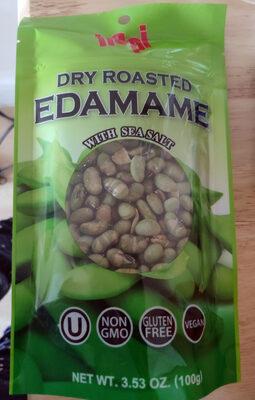
4Dry Roasted Edamame Sea SaltHapi14100140.5VeganKeto-friendlyGluten-free
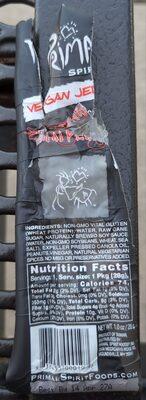
5Mesquite Lime Seitan Vegan JerkyPrimal Spirit107413.54Vegan
6Thai Peanut Seitan Vegan JerkyPrimal Spirit107413.54Vegan
7Texas BBQ Vegan JerkyPrimal Spirit108112.35Vegan
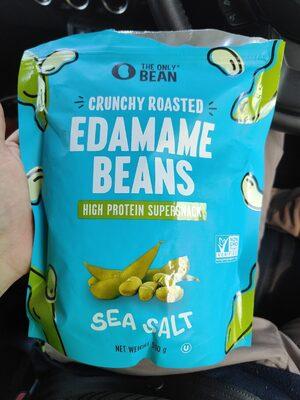
8Crunchy Roasted Edamame BeansThe Only Bean13.511411.82.1VeganKeto-friendlyGluten-free
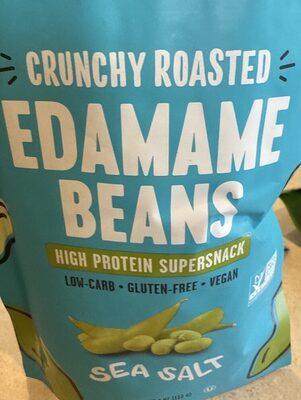
9Sea Salt Roasted EdamameThe Only Bean13.812011.51.2VeganKeto-friendlyGluten-free
10Teriyaki Vegan JerkyPrimal Spirit119911.13Vegan

Complete protein on a vegan diet

Soy is a complete protein on its own. Pea protein is low in methionine and rice protein is low in lysine, so the two are often blended to cover each other. Hemp and pumpkin seed add more variety. Over a day of varied plant foods, most people get every essential amino acid.

The top 10, up close

We may earn a commission when you buy through links marked as affiliate links. It never changes the ranking, which is based only on the nutrition numbers.

  1. Krave Korean BBQ Plant-Based Jerky package front

    1.Krave Korean BBQ Plant-Based Jerky

    Krave Korean BBQ Plant-Based Jerky: 18 g of protein and 105 calories per serving (17.1 g protein per 100 calories) and no sugar. That puts it among the most protein-dense plant-based snacks in our catalog. Its label claims: vegan.

    18 g protein, 105 cal, 17.1 g per 100 cal, 0 g sugar per 1 package (56 g)

    Good:
    Excellent protein density: 17.1 g protein per 100 calories
    Watch:
    High sodium: 880 mg per serving (38% of the 2,300 mg daily limit)

    Full nutrition for Korean BBQ Plant-Based JerkyBuy at Amazon (opens in a new tab)

  2. Krave Smoked Chipotle Plant-Based Jerky package front

    2.Krave Smoked Chipotle Plant-Based Jerky

    Krave Smoked Chipotle Plant-Based Jerky: 8 g of protein and 50 calories per serving (16 g protein per 100 calories). That puts it among the most protein-dense plant-based snacks in our catalog. Its label claims: vegan, gluten-free. It fits keto targets at 3 g net carbs per serving.

    8 g protein, 50 cal, 16 g per 100 cal per 1 serving (28 g)

    Good:
    Excellent protein density: 16 g protein per 100 calories
    Watch:
    Ultra-processed (NOVA group 4)

    Full nutrition for Smoked Chipotle Plant-Based JerkyBuy at Amazon (opens in a new tab)

  3. 3.Vegan Dream Original Hickory Pepper Vegetarian Jerky

    Vegan Dream Original Hickory Pepper Vegetarian Jerky: 14 g of protein and 90 calories per serving (15.6 g protein per 100 calories), with just 1 g sugar. That puts it among the most protein-dense plant-based snacks in our catalog. Its label claims: vegan. It fits keto targets at 3 g net carbs per serving.

    14 g protein, 90 cal, 15.6 g per 100 cal, 1 g sugar per 1 CONTAINER (28 g)

    Good:
    Excellent protein density: 15.6 g protein per 100 calories
    Watch:
    High sodium: 650 mg per serving (28% of the 2,300 mg daily limit)

    Full nutrition for Original Hickory Pepper Vegetarian JerkyBuy at Amazon (opens in a new tab)

  4. Hapi Dry Roasted Edamame Sea Salt package front

    4.Hapi Dry Roasted Edamame Sea Salt

    Hapi Dry Roasted Edamame Sea Salt: 14 g of protein and 100 calories per serving (14 g protein per 100 calories), with just 0.5 g sugar. That puts it among the most protein-dense plant-based snacks in our catalog. Its label claims: vegan, gluten-free. It fits keto targets at 4 g net carbs per serving.

    14 g protein, 100 cal, 14 g per 100 cal, 0.5 g sugar per 1 serving (30 g)

    Good:
    Excellent protein density: 14 g protein per 100 calories
    Watch:
    Contains soy

    Full nutrition for Dry Roasted Edamame Sea SaltBuy at Amazon (opens in a new tab)

  5. 5.Primal Spirit Mesquite Lime Seitan Vegan Jerky

    Primal Spirit Mesquite Lime Seitan Vegan Jerky: 10 g of protein and 74 calories per serving (13.5 g protein per 100 calories), with 4 g sugar. That puts it among the most protein-dense plant-based snacks in our catalog. Its label claims: vegan.

    10 g protein, 74 cal, 13.5 g per 100 cal, 4 g sugar per 1 ONZ (28 g)

    Good:
    Excellent protein density: 13.5 g protein per 100 calories
    Watch:
    Ultra-processed (NOVA group 4)

    Full nutrition for Mesquite Lime Seitan Vegan JerkyBuy at Amazon (opens in a new tab)

  6. Primal Spirit Thai Peanut Seitan Vegan Jerky package front

    6.Primal Spirit Thai Peanut Seitan Vegan Jerky

    Primal Spirit Thai Peanut Seitan Vegan Jerky: 10 g of protein and 74 calories per serving (13.5 g protein per 100 calories), with 4 g sugar. That puts it among the most protein-dense plant-based snacks in our catalog. Its label claims: vegan.

    10 g protein, 74 cal, 13.5 g per 100 cal, 4 g sugar per 1 ONZ (28 g)

    Good:
    Excellent protein density: 13.5 g protein per 100 calories
    Watch:
    Contains peanuts, soy, wheat/gluten

    Full nutrition for Thai Peanut Seitan Vegan JerkyBuy at Amazon (opens in a new tab)

  7. 7.Primal Spirit Texas BBQ Vegan Jerky

    Primal Spirit Texas BBQ Vegan Jerky: 10 g of protein and 81 calories per serving (12.3 g protein per 100 calories), with 5 g sugar. That puts it among the most protein-dense plant-based snacks in our catalog. Its label claims: vegan.

    10 g protein, 81 cal, 12.3 g per 100 cal, 5 g sugar per 1 ONZ (28 g)

    Good:
    Excellent protein density: 12.3 g protein per 100 calories
    Watch:
    Ultra-processed (NOVA group 4)

    Full nutrition for Texas BBQ Vegan JerkyBuy at Amazon (opens in a new tab)

  8. The Only Bean Crunchy Roasted Edamame Beans package front

    8.The Only Bean Crunchy Roasted Edamame Beans

    The Only Bean Crunchy Roasted Edamame Beans: 13.5 g of protein and 114 calories per serving (11.8 g protein per 100 calories), with 2.1 g sugar. That puts it among the most protein-dense plant-based snacks in our catalog. Its label claims: vegan, gluten-free. It fits keto targets at 2.1 g net carbs per serving.

    13.5 g protein, 114 cal, 11.8 g per 100 cal, 2.1 g sugar per 1 serving (30 g)

    Good:
    Excellent protein density: 11.8 g protein per 100 calories
    Watch:
    Contains soy, tree nuts

    Full nutrition for Crunchy Roasted Edamame BeansBuy at Amazon (opens in a new tab)

  9. The Only Bean Sea Salt Roasted Edamame package front

    9.The Only Bean Sea Salt Roasted Edamame

    The Only Bean Sea Salt Roasted Edamame: 13.8 g of protein and 120 calories per serving (11.5 g protein per 100 calories), with just 1.2 g sugar. That puts it among the most protein-dense plant-based snacks in our catalog. Its label claims: vegan, gluten-free. It fits keto targets at 2.3 g net carbs per serving.

    13.8 g protein, 120 cal, 11.5 g per 100 cal, 1.2 g sugar per 1 serving (30 g)

    Good:
    Excellent protein density: 11.5 g protein per 100 calories
    Watch:
    Contains soy

    Full nutrition for Sea Salt Roasted EdamameBuy at Amazon (opens in a new tab)

  10. Primal Spirit Teriyaki Vegan Jerky package front

    10.Primal Spirit Teriyaki Vegan Jerky

    Primal Spirit Teriyaki Vegan Jerky: 11 g of protein and 99 calories per serving (11.1 g protein per 100 calories), with 3 g sugar. That puts it among the most protein-dense plant-based snacks in our catalog. Its label claims: vegan.

    11 g protein, 99 cal, 11.1 g per 100 cal, 3 g sugar per 1 ONZ (28 g)

    Good:
    Excellent protein density: 11.1 g protein per 100 calories
    Watch:
    Contains soy, wheat/gluten

    Full nutrition for Teriyaki Vegan JerkyBuy at Amazon (opens in a new tab)

See all 66 in the snack finder

The best vegan protein snacks give you at least 10 g of plant protein per serving, which the FDA counts as a high amount. On label data, vegan meatless jerky (10 g per ounce) and plant-protein bars (14 to 21 g) lead the field. Roasted edamame (14 g per 30 g) and pumpkin seeds are simple whole-food options.

Key takeaways

  • 10 g per serving is the bar. The FDA's Daily Value for protein is 50 g, and the agency treats 20% of the DV or more as high (opens in a new tab). For protein, 20% works out to 10 g.
  • Protein per calorie varies widely. Among the snacks below, meatless jerky gives 12 to 13.5 g of protein per 100 calories. Pumpkin seeds give about 6 g.
  • Soy is the strongest single plant protein. Blends such as pea plus rice protein cover each other's gaps.
  • Allergen-friendly options exist. Aloha's Peppermint White Chocolate bar and plain pumpkin seeds list none of the nine major allergens in their ingredients.

Vegan protein snacks compared by the numbers

Every number in this table comes from the product's label record in Open Food Facts (opens in a new tab), the open product database our catalog is built on. Each product name links to its record. Vegan status is confirmed from the label, not guessed from ingredients: Primal, Simply Protein and Aloha carry a "Vegan" label on their Open Food Facts records (Aloha also shows the Vegan Action logo), and No Cow lists its bars as vegan on its own protein bars page (opens in a new tab). Brands change their recipes, so check the package before you buy, especially if you have an allergy. The table is sorted by protein per 100 calories, our main measure of protein density. See How we rank snacks for the full method.

Snack Serving Protein (g) Calories Protein per 100 kcal Sugar (g) Fiber (g) Protein source Major allergens in ingredients
Primal Meatless Vegan Jerky, Seitan Mesquite Lime (opens in a new tab) 1 oz (28 g) 10 74 13.5 4 0 Wheat gluten Wheat, soy
Primal Meatless Vegan Jerky, Soy Texas BBQ (opens in a new tab) 1 oz (28 g) 10 81 12.3 5 1 Soy protein isolate Soy
No Cow Chunky Peanut Butter Bar (opens in a new tab) 1 bar (60 g) 21 190 11.1 5 17 Brown rice + pea Peanuts, almonds
Simply Protein Lemon Coconut Bar (opens in a new tab) 1 bar (40 g) 15 150 10.0 1 7 Soy protein isolate Soy, cashews
Aloha Protein Bar, Peppermint White Chocolate (opens in a new tab) 1 bar (56 g) 14 210 6.7 4 10 Brown rice + pumpkin seed None listed

A few patterns stand out. Jerky made from seitan or soy gives the most protein per calorie, but it is also the saltiest: the Soy Texas BBQ record lists about 380 mg of sodium per ounce. The bars here keep sugar between 1 and 5 g, while their fiber ranges from 7 to 17 g and their protein comes from soy, or from rice blended with pea or pumpkin seed protein.

Plant-based ingredients, not certified vegan (check the label)

These two snacks are made only from plant ingredients, but neither record nor brand page we checked carries a vegan label. They are a good fit for most vegans; check the package if certification matters to you.

Snack Serving Protein (g) Calories Protein per 100 kcal Sugar (g) Fiber (g) Ingredients Major allergens in ingredients
Seapoint Farms Dry Roasted Edamame, Sea Salt (opens in a new tab) ⅓ cup (30 g) 14 130 10.8 1 6 Soybeans, sea salt Soy
Weis Quality Roasted No-Salt Pumpkin Seeds (opens in a new tab) ¼ cup (30 g) 10 160 6.3 0 1 Pumpkin seeds, vegetable oil None listed*

*The oil is listed as "canola, sunflower and/or soybean," so people avoiding soy should check the specific bag.

What vegan snacks are high in protein?

If you would rather skip packaged products, these whole foods are reliable. The figures come from Harvard Health Publishing (opens in a new tab), except the lentil figure, which comes from Healthline's dietitian-written roundup (opens in a new tab) based on USDA data.

Plant food Serving Protein (g) Allergen note
Edamame 1 cup 18 Soy
Cooked lentils 1 cup 18 None of the major allergens
Pumpkin seeds, shelled 1 oz 8 None of the major allergens
Peanuts, shelled 1 oz 7 Peanuts
Peanut butter 2 tbsp 7 Peanuts
Chickpeas ½ cup 7 None of the major allergens
Almonds or pistachios 1 oz 6 Tree nuts
Chia seeds 2 tbsp 5 None of the major allergens

Edamame and lentils clear the 10 g bar by themselves. Most seeds and nuts land between 5 and 8 g, so they work best as part of a pairing (see below). Colorado State University Extension (opens in a new tab) suggests simple options like a nut butter sandwich or a handful of roasted chickpeas.

Are plant proteins complete?

A "complete" protein contains all nine essential amino acids in useful amounts. Our bodies cannot make these amino acids, so they have to come from food. Harvard's Nutrition Source (opens in a new tab) explains that animal foods tend to be complete, while many plant foods are short on at least one essential amino acid. It names quinoa and chia seeds as complete plant options.

Protein quality and PDCAAS, in plain words

Scientists grade protein quality with scores such as PDCAAS, the protein digestibility-corrected amino acid score. In simple terms, the score asks two questions: does the protein supply the essential amino acids people need, and how much of it does the body actually digest? A newer method, DIAAS, measures digestion at the end of the small intestine rather than from what is left in stool.

  • Soy: A 2022 quantitative review in Frontiers in Nutrition (opens in a new tab) found an average PDCAAS of 85.6 across soy products. The average rose to 92.4 when the authors left out data from products that went through further processing. That makes edamame, tofu, tempeh and soy-isolate snacks the strongest single plant choices.
  • Pea and rice: A 2020 review in Food Science & Nutrition (opens in a new tab) rated soy protein as high quality but placed pea and rice proteins in its "no quality claim" tier when each is eaten alone. It also found that pea and soy proteins complement many other plant proteins when they are blended. That helps explain why No Cow and Aloha both combine two protein sources.

How to combine plant proteins

You do not need to pair foods perfectly at every snack. CSU Extension and Harvard both stress variety over the day rather than matching proteins at each sitting. Still, pairing a legume with a grain or seed raises the protein in a single snack and balances its amino acids. A few combinations to try:

  • Hummus with whole-grain crackers: a legume plus a grain.
  • Peanut butter on whole-grain toast with chia seeds: a legume, a grain and a seed.
  • Edamame with a small handful of pumpkin seeds: soy plus seeds, nut-free.
  • Lentil salad with quinoa: a legume plus a complete-protein seed.

Nut-free and soy-free vegan protein snacks

Peanuts, tree nuts and soybeans are three of the nine major food allergens the FDA recognizes (opens in a new tab). Sesame and wheat are also on the list. Vegan snacks rely heavily on these ingredients, so allergy shoppers have fewer choices. Based on the ingredient lists in our comparison:

  • Nut-free and soy-free: Aloha Peppermint White Chocolate bar (brown rice and pumpkin seed protein, with sunflower seed butter); pumpkin seeds (check the oil); lentils and chickpeas.
  • Nut-free but contains soy: roasted edamame, Primal soy jerky.
  • Soy-free but contains nuts: No Cow bars (almonds, plus peanuts in the peanut butter flavor).
  • Contains both: Simply Protein bars (soy and cashews).

These lists reflect ingredients only. "None listed" does not rule out shared-facility cross-contact, so read the "may contain" statement on the package.

Vegan protein bars: what to check (sugar, protein source)

  1. Protein of 10 g or more. Anything less is a snack bar, not a protein bar.
  2. Protein source near the top of the ingredient list. Soy isolate, pea, brown rice or pumpkin seed protein should come early.
  3. Sugar. The bars in our table have 1 to 5 g. Treat about 15 g or more as dessert territory.
  4. Fiber and sweeteners. High fiber (No Cow lists 17 g) usually comes from added fibers, and some bars also use sugar alcohols such as erythritol. If these ingredients don't agree with you, check the list before buying.
  5. Protein per 100 calories. Divide protein by calories and multiply by 100. Around 10 or higher is very protein-dense. See our protein per 100 calories guide for the full method.

For a broader look, read are protein bars healthy?

How much protein should a vegan snack have?

For most adults, 10 to 15 g is a practical target per snack. Larger or very active people can aim for 15 to 20 g. Harvard Health (opens in a new tab) notes that the body handles about 20 to 40 g at one time, so spreading protein across meals and snacks works better than one large serving. Our guide on how much protein a snack should have covers targets by goal.

Daily protein targets are also being debated. A January 2026 PBS NewsHour/AP report (opens in a new tab) says the new US Dietary Guidelines raise the adult recommendation to 1.2 to 1.6 g per kg of body weight per day, up from 0.8 g/kg. The same report says the guidelines favor animal sources, and it quotes nutrition experts who question the increase. We have not verified these figures against dietaryguidelines.gov. If you follow a vegan diet and are aiming for the higher range, high-protein snacks become more useful, and a registered dietitian can help you plan.

For more options, compare these with our full best protein snacks rankings, or see high-protein snacks for on the go for shelf-stable ideas.

This page is for general information and is not medical advice. Nutrition values come from Open Food Facts label records and may differ from current packaging.
Frequently asked questions

What vegan snack has the most protein?

Among the packaged snacks we compared, No Cow's Chunky Peanut Butter bar has the most protein per serving: 21 g in a 60 g bar. Meatless seitan and soy jerky give the most protein per calorie, about 12 to 13.5 g per 100 calories. Of the whole foods, a cup of edamame gives about 18 g.

Are vegan protein bars healthy?

Some are. A good one has 10 g or more of protein, single-digit sugar and some fiber. The vegan bars we compared have 1 to 5 g of sugar, while the median across the 2,102 US Open Food Facts protein bar records we analyzed is 8 g per serving. Check the protein source and the sugar line.

Is pea protein a complete protein?

Not on its own, by the usual quality scores. A 2020 review in Food Science & Nutrition placed pea protein in a lower quality tier when eaten alone, but found it complements many other plant proteins. That is why many vegan bars and crisps blend pea with brown rice protein, and why soy scores higher.

What are good vegan protein snacks for athletes?

Athletes can choose snacks with 15 to 20 g of protein, such as a 60 g No Cow bar (21 g, rice and pea protein), a Simply Protein bar plus fruit, or a cup of edamame. Harvard Health suggests eating a high-protein snack within 30 to 60 minutes after strength training. It also suggests spreading protein across meals and snacks.

Are vegan protein snacks gluten-free?

Not always. Seitan jerky is made from wheat gluten, so people with celiac disease or gluten sensitivity should avoid it. Roasted edamame, pumpkin seeds and pea or rice protein bars usually contain no gluten ingredients. Even so, check the label for a gluten-free claim, because cross-contact during manufacturing is possible.

Can I get enough protein on a vegan diet from snacks?

Snacks can help, but they work best as a top-up to protein-rich meals. Harvard's Nutrition Source advises vegans to eat a variety of plant proteins every day so no essential amino acids are missing. Two snacks with 10 to 15 g each can add a meaningful 20 to 30 g a day.

Sources

  1. Daily Value on the Nutrition and Supplement Facts Labels (opens in a new tab), U.S. Food and Drug Administration
  2. Food Allergies (opens in a new tab), U.S. Food and Drug Administration
  3. Protein (The Nutrition Source) (opens in a new tab), Harvard T.H. Chan School of Public Health
  4. High-protein snacks to build muscle and keep hunger at bay (opens in a new tab), Harvard Health Publishing
  5. Vegan Diet and Protein (opens in a new tab), Colorado State University Extension
  6. healthy high protein snacks (opens in a new tab), Healthline
  7. Protein quality of soy and the effect of processing: A quantitative review (opens in a new tab), Frontiers in Nutrition (via PubMed Central)
  8. Comprehensive overview of the quality of plant- and animal-sourced proteins based on the digestible indispensable amino acid score (opens in a new tab), Food Science & Nutrition (via PubMed Central)
  9. Why nutrition experts are wary of new federal dietary guidelines that advise doubling protein (opens in a new tab), PBS NewsHour (Associated Press)
  10. Open Food Facts product database (opens in a new tab), Open Food Facts

More reading on protein, sugar and snack labels is collected on our resources page.

Related guides