High-Protein Snacks on the Go: 20 Shelf-Stable Picks
By Editorial Team. Updated . 10 min read.
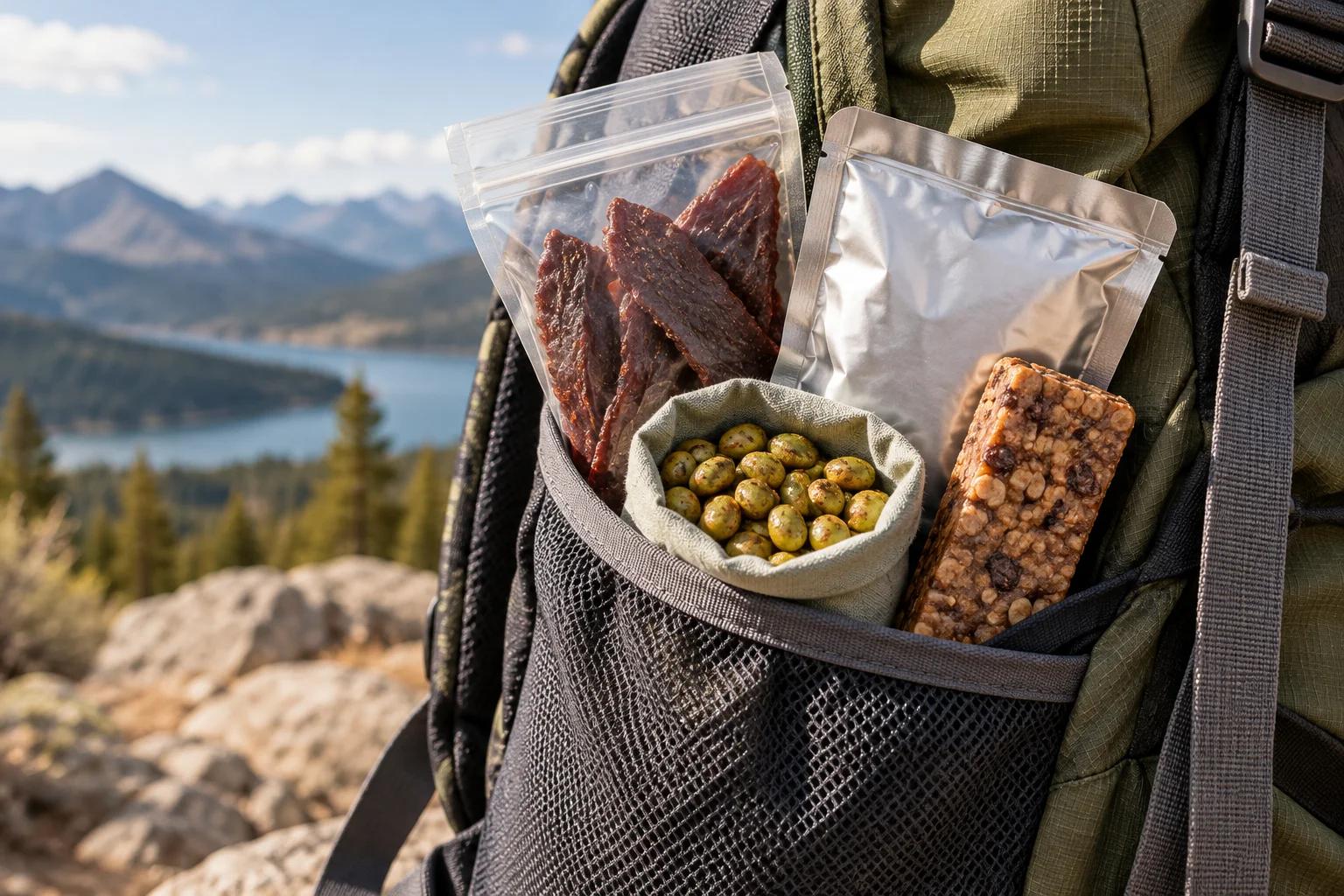
The best high-protein snacks for on the go are shelf-stable and need no refrigeration: beef or turkey jerky, meat sticks, protein bars, roasted edamame or chickpeas, nuts and seeds, tuna or salmon pouches, and protein chips. Look for 10 grams or more of protein per serving and individually wrapped packs so portions stay controlled.
Key takeaways
- Tuna pouches (17 g protein, ~75 kcal) and plain jerky (about 11 g per ounce) are the most protein-dense snacks that need no cooler.
- In our analysis of 1,026 US Open Food Facts records for jerky and meat snacks, 58.5% delivered 10 g or more of protein per 100 calories, but the median carried 1,357 mg of sodium per 100 g.
- Unopened shelf life: USDA FSIS lists about 12 months for commercial jerky and 18 months for pouched tuna, stored cool and dry.
- Yogurt, cheese and eggs are not travel-proof. They follow the USDA 2-hour rule, cut to 1 hour above 90 °F.
What are the best protein snacks that don't need refrigeration?
Foods keep at room temperature when they are too dry for microbes to grow (jerky, nuts, bars), sealed and heat-sterilized (fish pouches, boxed milk), or cured with salt and acidity (meat sticks). USDA FSIS treats properly dried, commercially made jerky as a shelf-stable food (opens in a new tab), alongside canned and pouched fish.
Our ranking weighs protein per serving, protein per 100 calories, added sugar and sodium. The full scoring is in how we rank snacks.
Shelf-stable protein snacks at a glance
Sorted by protein per 100 calories. Nut and seed values come from USDA FoodData Central (IDs in Sources); jerky, meat stick, edamame, chickpea and cheese-crisp values are medians per ounce from our analysis of 23,236 cleaned US Open Food Facts records; bars are label values.
| Snack | Serving | Protein (g) | Calories | Protein per 100 kcal | Unopened storage | Needs fridge? |
|---|---|---|---|---|---|---|
| Light tuna pouch | 2.6 oz | 17 | ~75 | ~22 | About 18 months (FSIS) | Only after opening |
| Salmon pouch | 2.5 oz | 13 | ~80 | ~16 | About 18 months (FSIS) | Only after opening |
| Shelf-stable protein shake | 11 fl oz | 20–30 | ~150–170 | ~13–20 | Package date | Only after opening |
| Turkey or chicken jerky | 1 oz | 10–12 | ~80 | ~14 | Up to 12 months (FSIS) | Follow the package |
| Beef jerky, original | 1 oz | 10–12 | ~80 | ~14 | Up to 12 months (FSIS) | Follow the package |
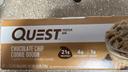
| Quest Chocolate Chip Cookie Dough | 1 bar (60 g) | 21 | 190 | 11.1 | Package date | No |
| Dry-roasted edamame | 1 oz | ~11 | ~120 | ~9 | Package date | No |
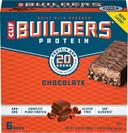
| Clif Builders Chocolate | 1 bar (68 g) | 20 | 280 | 7.1 | Package date | No |
| Meat stick | 1 oz | 5–7 | ~90 | ~7 | Package date | Follow the package |
| Shelf-stable milk box | 8 fl oz | 8 | ~100–150 | ~5–8 | Package date | Only after opening |
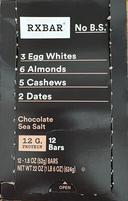
| RXBAR Chocolate Sea Salt | 1 bar (52 g) | 12 | 200 | 6.0 | Package date | No |
| Cheese crisps | 1 oz | ~8 | ~140 | ~5.5 | Package date | No |
| Pumpkin seed kernels | 1 oz | 8.6 | ~160 | ~5.4 | Package date | No |
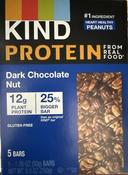
| KIND Protein Dark Chocolate Nut | 1 bar (50 g) | 12 | 240 | 5.0 | Package date; can melt | No |
| Roasted chickpeas | 1 oz | ~5 | ~120 | ~4.2 | Package date | No |
| Dry-roasted peanuts | 1 oz | 7 | ~165 | ~4.2 | Package date | No |
| Pistachios, dry-roasted | 1 oz kernels | 6 | ~160 | ~3.7 | Package date | No |
| Peanut butter squeeze pack | 1.15 oz | 7 | ~195 | ~3.7 | Package date | No |
| Almonds, dry-roasted | 1 oz | 6 | ~170 | ~3.5 | Package date | No |
| Larabar Cashew Cookie | 1 bar (48 g) | 4 | 230 | 1.7 | Package date | No |
Tuna, salmon, shake and milk figures are typical labels; check yours. Density method: protein per 100 calories.
How long do shelf-stable protein snacks last, and can they take the heat?
What federal food-safety guidance says:
- Unopened commercial jerky: about 12 months in a cool, dry place, per the FSIS shelf-stable storage chart (opens in a new tab). Home-dried jerky: 1 to 2 months.
- Tuna and other seafood in retort pouches: about 18 months unopened. Throw away any pouch or can that is swollen, leaking or rusted.
- Bars, nuts, seeds and roasted legumes: FSIS gives no single number, so use the date on the package.
- Heat: FSIS advises keeping shelf-stable foods in a cool, dry spot away from heat sources, ideally below 85 °F. A summer car gets much hotter, so treat it as short-term storage only; chocolate-coated bars melt first.
Once opened, follow the package. FSIS publishes no single opened-bag time for jerky, and brand advice varies; if the label says to refrigerate after opening, do it. Leftover pouch tuna or salmon is perishable: refrigerate it or discard it. FSIS explains how commercial jerky is made safe in Jerky and Food Safety (opens in a new tab).
Which on-the-go snacks need a cooler?
Greek yogurt, string cheese, cottage cheese and hard-boiled eggs are perishable and travel only with cold packs. The USDA's Danger Zone guidance (opens in a new tab) says perishable food should not sit out of refrigeration more than 2 hours, or 1 hour when it is above 90 °F, because bacteria multiply fastest between 40 °F and 140 °F.
Practical packing rules, drawn from the Clemson Cooperative Extension travel factsheet (opens in a new tab):
- Keep cold foods at 40 °F or below in an insulated cooler with ice or gel packs.
- A full cooler stays cold longer than a half-empty one.
- Discard perishables that have warmed above 40 °F for longer than the limits above.
Hard-cooked eggs keep about 1 week in the refrigerator, according to the FoodSafety.gov cold storage chart (opens in a new tab),, so pack them cold each morning.
Best for the office desk drawer
Choose portioned packs that are hard to graze on:
- Tuna or salmon pouches with a fork and a sleeve of whole-grain crackers make a 200-calorie mini-meal with 17 to 20 g of protein. If tuna is a daily habit, pick light over albacore: the FDA fish advice (opens in a new tab) puts canned light tuna in its lowest-mercury "Best Choice" group and albacore one step down.
- Individually wrapped jerky or meat sticks. Original or zero-sugar flavors; compare the healthiest jerky and meat sticks.
- Single-serve dry-roasted edamame: about 11 to 14 g of protein per ounce plus fiber.
- Protein bars you actually like. Browse protein bars by protein and sugar.
- Shelf-stable protein shakes for skipped lunches.
Counting calories? See low-calorie high-protein snacks.
Best for travel and flights
TSA states that solid foods (opens in a new tab) can go in carry-on or checked bags, so bars, jerky, nuts and roasted legumes are simple. Yogurt, peanut butter and other liquids, gels and spreads fall under the liquids rule (opens in a new tab): containers of 3.4 ounces (100 ml) or less, packed in your quart-size bag. TSA's list does not name tuna pouches and suggests checking canned foods; the officer has the final say, so check fish to avoid surprises.
Best carry-on picks: bars, jerky, roasted edamame or chickpeas, nut packs, and 1.15-ounce nut butter packs (inside the liquids bag).
International trips: many countries restrict meat and dairy imports, jerky included. Finish it before landing or check the destination's customs rules.
Best for hiking and outdoor activities
On the trail, weight matters most, so compare calories per ounce:
| Trail snack | Protein (g) | Calories | Calories per oz |
|---|---|---|---|
| Almonds (1 oz) | 6 | ~170 | ~170 |
| Peanut butter squeeze pack (1.15 oz) | 7 | ~195 | ~170 |
| Pumpkin seed kernels (1 oz) | 8.6 | ~160 | ~160 |
| Protein bar (50–68 g) | 12–21 | 190–280 | ~90–135 |
| Jerky (1 oz) | 10–12 | ~80 | ~80 |
| Salmon pouch (2.5 oz) | 13 | ~80 | ~32 |
Pair nut and seed packs for energy with jerky or a pouch for protein. Choose uncoated bars, keep snacks shaded, and carry perishables only with ice. See nuts and seeds and chips and crackers for packaged options.
Best for the car and kids' sports
For the car, skip anything that melts or crumbles:
- Meat sticks and jerky: no mess, long unopened shelf life.
- Cheese crisps: about 8 g of protein per ounce and shelf-stable, unlike string cheese.
- Shelf-stable milk boxes: 8 g of protein; refrigerate leftovers once opened.
- Roasted edamame: less messy than loose nuts.
- Uncoated protein bars: chocolate coatings soften fast in sun.
For team snacks and school-safe options, see high-protein snacks for kids.
How much sodium is in jerky and other shelf-stable protein?
Salt is part of what keeps cured meats stable, so they run high. The FDA Daily Value for sodium (opens in a new tab) is 2,300 mg, and FDA calls 20% DV or more per serving high, which is 460 mg. Medians per ounce from our analysis of 23,236 cleaned US Open Food Facts records:
| Snack (1 oz) | Median sodium (mg) | % Daily Value |
|---|---|---|
| Beef jerky | ~470 | ~20% |
| Turkey or chicken jerky | ~350 | ~15% |
| Meat sticks | ~330 | ~14% |
| Cheese crisps | ~270 | ~12% |
| Roasted edamame | ~130 | ~6% |
| Roasted chickpeas | ~140 | ~6% |
Across 1,026 US Open Food Facts records for jerky and meat snacks, the median serving had about 400 mg. Three a day use over half the Daily Value, so aim for under about 400 mg per serving. For a full protein-versus-salt comparison, see our savory high-protein snacks guide.
For the overall ranking of shelf-stable and fresh picks together, see the best protein snacks.
Frequently asked questions
What protein snacks don't need to be refrigerated?
Unopened jerky, meat sticks, tuna and salmon pouches, protein bars, roasted edamame and chickpeas, nuts, seeds, nut butter packs, cheese crisps and shelf-stable milk or shakes all keep at room temperature. Tuna pouches and plain jerky are the most protein-dense, at roughly 14 to 22 grams of protein per 100 calories.
How long does beef jerky last once opened?
USDA FSIS gives commercially packaged jerky about 12 months unopened in a cool, dry place, but it publishes no single figure for an opened bag. Follow the storage line on your package, reseal the bag tightly, refrigerate it if the label says to, and throw it out if it smells off or shows mold.
Can I bring protein bars on a plane?
Yes. TSA allows solid foods such as protein bars, jerky and nuts in carry-on and checked bags. Yogurt, peanut butter and other liquids or spreads must be 3.4 ounces (100 ml) or less in your carry-on quart bag. The TSA officer makes the final call, and other countries may bar meat imports.
How long can protein snacks sit in a hot car?
Perishables such as yogurt, string cheese and hard-boiled eggs should not sit out more than 2 hours, or 1 hour above 90 °F, per USDA FSIS. Shelf-stable snacks will not spoil the same way, but FSIS advises storing them below about 85 °F, so do not leave jerky or bars baking in a car.
What is a healthy gas-station protein snack?
Pick original-flavor jerky or a meat stick with under about 400 mg sodium per serving, plain nuts or pumpkin seeds, or a protein bar with at least 10 grams of protein and under 8 grams of added sugar. From the cooler, string cheese, a hard-boiled egg pack or Greek yogurt work if you eat them within 2 hours.
Sources
All sources below are linked where they are cited in the article.
- USDA Food Safety and Inspection Service: Shelf-Stable Food Safety (storage chart); Jerky and Food Safety; "Danger Zone" (40 °F - 140 °F)
- FoodSafety.gov: Cold Food Storage Chart
- Clemson Cooperative Extension, HGIC 3601: Traveling with Food
- TSA: What Can I Bring? Food; Liquids, Aerosols and Gels Rule
- FDA: Daily Value on the Nutrition and Supplement Facts Labels; Advice about Eating Fish
- USDA FoodData Central (opens in a new tab) IDs: almonds, dry-roasted 170158; pumpkin seed kernels 170556; peanuts, dry-roasted 173806; pistachios, dry-roasted 170185; peanut butter, smooth 172470
- Open Food Facts (opens in a new tab) US data: our analysis of 23,236 cleaned US Open Food Facts records, including 1,026 jerky and meat snack records. Records with implausible nutrition are removed and categories come from keyword matching. Bar values are labels for barcodes 0888849000036 (Quest), 0857777004232 (RXBAR), 0722252168511 (Clif), 0602652276958 (KIND) and 0021908509259 (Larabar).
More background reading is on our resources page.