Key takeaways
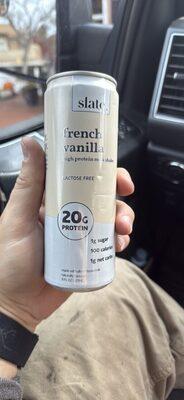
- Low sugar is common; low sugar plus real protein is not. In our analysis of 2,027 US Open Food Facts records for protein bars with serving and sugar data, the median bar had 8 g of sugar per serving. Only about 24% had both 5 g of sugar or less and 10 g of protein or more.
- Unsweetened snacks lead on protein per calorie. Plain Greek yogurt, zero-sugar jerky, turkey sticks and cottage cheese all beat every bar in our table.
- "0 g sugar" usually means a sugar substitute. Most bars at 0 to 1 g of sugar use sugar alcohols, allulose, sucralose or stevia instead. Read the ingredient list, not just the sugar line.
- Check added sugar, not just total sugar. Milk and fruit sugars count toward total sugar, but only sugars added during processing appear on the "Includes Added Sugars" line.
What counts as a low-sugar protein snack?
The FDA does not define "low sugar." Its rules for sugar claims (21 CFR 101.60 (opens in a new tab)) cover three terms only:
- "Sugar free": less than 0.5 g of sugars per serving.
- "No added sugar": no sugars or sugar-containing ingredients (such as jam or concentrated fruit juice) added during processing.
- "Reduced sugar" or "less sugar": at least 25% less sugar than a comparable food.
So we set our own filter for this page: 5 g of total sugar or less per serving, ideally 0 to 2 g of added sugar, and at least 10 g of protein. The 2 g added-sugar target matches the limit a Cleveland Clinic dietitian suggests for snack bars (opens in a new tab).
Total sugar vs added sugar: which line should you read?
Both, in that order. On the Nutrition Facts label, Total Sugars covers every sugar in the food, including the lactose in milk and the fructose in fruit. The line beneath it, Includes Xg Added Sugars, shows only sugars added during processing. Under the FDA's added-sugars rules (opens in a new tab), that includes table sugar and dextrose, as well as honey, syrups and concentrated fruit or vegetable juices. The FDA's Daily Value for added sugars is 50 g a day.
That is why plain cottage cheese can show 2 g of sugar and 0 g added: the sugar comes from the milk.
Low-sugar protein snacks compared
Every item below has at least 10 g of protein and 5 g of sugar or less per serving. They are ranked by protein per 100 calories, our main measure of how much protein you get for the calories. (Here is how protein per 100 calories works.) Values come from each product's Open Food Facts (opens in a new tab) record, checked on the live product page in October 2026, and are rounded.
*Quest values are the 190-calorie label we verified earlier (21 g protein, 12 g fiber, 1 g sugar). The live Open Food Facts page for this barcode now shows a different formulation (250 calories, 25 g protein), so check the label on the bar you buy. "Not in record" means Open Food Facts did not list the value.
What the table shows:
- The top four have no sweetener at all. Plain yogurt, zero-sugar jerky, a turkey stick and cottage cheese reach low sugar by simply not adding any.
- Every bar on the list gets to 0 to 3 g of sugar with a substitute. The think! bar shows 0 g of sugar, but its record lists about 20 g of sugar alcohols, mostly maltitol. That is the kind of trade-off the sugar line hides.
- Roasted edamame is the fiber pick. Six grams of fiber and 14 g of plant protein for 130 calories, with two ingredients: soybeans and salt.
- Sodium splits the field. The meat snacks use 17% to 21% of the FDA's 2,300 mg Daily Value for sodium (opens in a new tab) per serving, compared with under 4% for the Pure Protein bar and Fage yogurt.
For more bars, compare the protein bars category. For the bigger question of whether bars belong in your diet at all, read are protein bars healthy?.
How much sugar do most protein bars have?
More than the low-sugar shelf suggests. We looked at US protein bars in Open Food Facts that list a serving size and sugar, after removing records with impossible protein values or calories that do not match their macros. Across 2,027 protein bar records:
| US protein bars (per serving) |
Value |
| Median sugar |
8 g |
| Share with 5 g of sugar or less |
33% |
| Share with 1 g of sugar or less |
7% |
| Share with 5 g of sugar or less and 10 g+ protein |
24% |
Our "protein bars" group covers bars with "protein" in the name or category, or at least 15 g of protein per 100 g. About two in three go over 5 g of sugar per serving, and most that don't replace sugar with something else.
Sugar alcohols vs allulose vs stevia: what's the difference?
These three groups often share a wrapper but act very differently. A quick guide, based on FDA sources:
| Sweetener type |
Common examples on bar labels |
Shown in Total Sugars? |
What to know |
| Sugar alcohols (polyols) |
Erythritol, maltitol, sorbitol, xylitol, isomalt |
No. Counted in Total Carbohydrate; listing grams is usually voluntary |
Fewer calories and a smaller blood glucose change than sugar, but can cause gas, bloating and diarrhea |
| Allulose |
Allulose |
No. FDA lets brands leave it out of Total and Added Sugars |
Counted at 0.4 calories per gram, compared with 4 for sugar |
| High-intensity sweeteners |
Sucralose, stevia (steviol glycosides), monk fruit extract |
No; used in tiny amounts |
Hundreds of times sweeter than sugar, so they add almost no calories or grams |
Sugar alcohols
The FDA's sugar alcohol fact sheet (opens in a new tab) explains that they are absorbed slowly and incompletely, so they give fewer calories and a smaller rise in blood glucose than sugar. The same partial absorption is why they can cause gas, bloating and diarrhea in some people: gut bacteria ferment what is left. Foods with sorbitol or mannitol must carry the warning "excess consumption may have a laxative effect."
Listing sugar alcohols is usually voluntary. The FDA requires the line only when the food contains them and the package makes a statement about the health effects of sugars or sugar alcohols. Either way, they are counted in Total Carbohydrate (opens in a new tab), not Total Sugars.
Should you limit them? The Cleveland Clinic article above advises limiting sugar alcohols. On erythritol specifically, a 2023 study by Witkowski and colleagues in Nature Medicine (opens in a new tab) found that, among US and European patients undergoing cardiac evaluation, those with the highest blood erythritol levels had more heart attacks, strokes and deaths over three years. That is an observational association in a higher-risk group, not proof that erythritol causes harm. It is still a reasonable argument against eating several erythritol-sweetened bars a day.
Allulose
Allulose is a rare sugar. Under FDA guidance from October 2020 (opens in a new tab), manufacturers may leave it out of Total Sugars and Added Sugars and use 0.4 calories per gram. That is why an allulose-sweetened bar can taste sweet and still show 0 to 1 g of sugar. The FDA has also raised no questions about allulose's "generally recognized as safe" (GRAS) status for its intended uses.
Stevia, monk fruit and sucralose
According to the FDA's sweeteners overview (opens in a new tab), high-purity stevia extracts are about 200 to 400 times sweeter than sugar, monk fruit extract about 100 to 250 times, and sucralose about 600 times. Bars use only tiny amounts, so they barely change the gram counts. One caveat: the 2025–2030 Dietary Guidelines advise limiting nonnutritive sweeteners as well as added sugar, according to the AAFP summary (opens in a new tab). If you want to avoid sweeteners entirely, the unsweetened snacks at the top of our table are the way to do it.
Where does hidden sugar show up beyond protein bars?
Bars get the attention, but sugar also turns up in snacks that look savory or plain.
- Jerky. Across 950 US Open Food Facts records for jerky and meat snacks with serving and sugar data, the median had 4 g of sugar per serving, and only about 26% had 1 g or less. Teriyaki, honey, barbecue and sweet chili flavors push the number up. Original, peppered and "zero sugar" varieties are where 0 to 1 g products cluster. Browse jerky and meat snacks.
- Yogurt. Plain Greek yogurt's sugar is mostly lactose from the milk. Fruit-on-the-bottom and flavored cups add sugar on top, so check the Added Sugars line. Compare options in our dairy category.
- Nuts and seeds. Plain and dry-roasted nuts are naturally low in sugar; honey-roasted and chocolate-coated ones are not. Nuts are lower in protein per calorie, so pair them with cheese or jerky. See nuts and seeds.
- Eggs and cheese. A large hard-boiled egg has about 0.6 g of total carbohydrate, and an ounce of string cheese about 1.6 g, based on USDA FoodData Central (opens in a new tab). Sugar can't be higher than total carbs, so both sit well under our 5 g line.
Are low-sugar protein snacks good for people with diabetes?
They can be a useful swap, but sugar is only part of the picture. Sugar alcohols are carbohydrates too, and the FDA says they cause a smaller change in blood glucose than sugar, not zero. Maltitol is the main sweetener in three of our four bars. The unsweetened snacks above avoid the sweetener question altogether. Our guide to high-protein snacks for diabetics covers carb targets and pairing in more detail.
This page is general information, not medical advice. If you take insulin or other glucose-lowering medication, ask your doctor or dietitian about snack carbs.
How we picked and calculated
- Filter: 5 g of total sugar or less and 10 g of protein or more per labeled serving, ranked by protein per 100 calories. Our six-step label check for choosing a healthy protein snack explains the wider method we use to rank snacks.
- Product data comes from Open Food Facts. We checked each featured product against its live page and dropped records with protein above 90 g per 100 g or with calories more than about 20% off from their protein, carb and fat totals. Sugar alcohol amounts come from the product's record where the brand lists them.
- No ratings or taste scores, and no sponsored placements. We rank on label numbers only.
- Labels change. Brands reformulate, as the Quest example shows. Always check the package in your hand.
If you also cut carbs, our keto protein snacks page applies a net-carb filter to many of the same foods.