Recipes
Homemade Savory Protein Snacks: Egg Bites, Chicken Chips, Turkey Meatballs and Tuna Bites
By Editorial Team. Updated . 16 min read. 8 recipes, each under 2 hours.
Store links may be affiliate links. We may earn a commission; it never changes what we recommend.
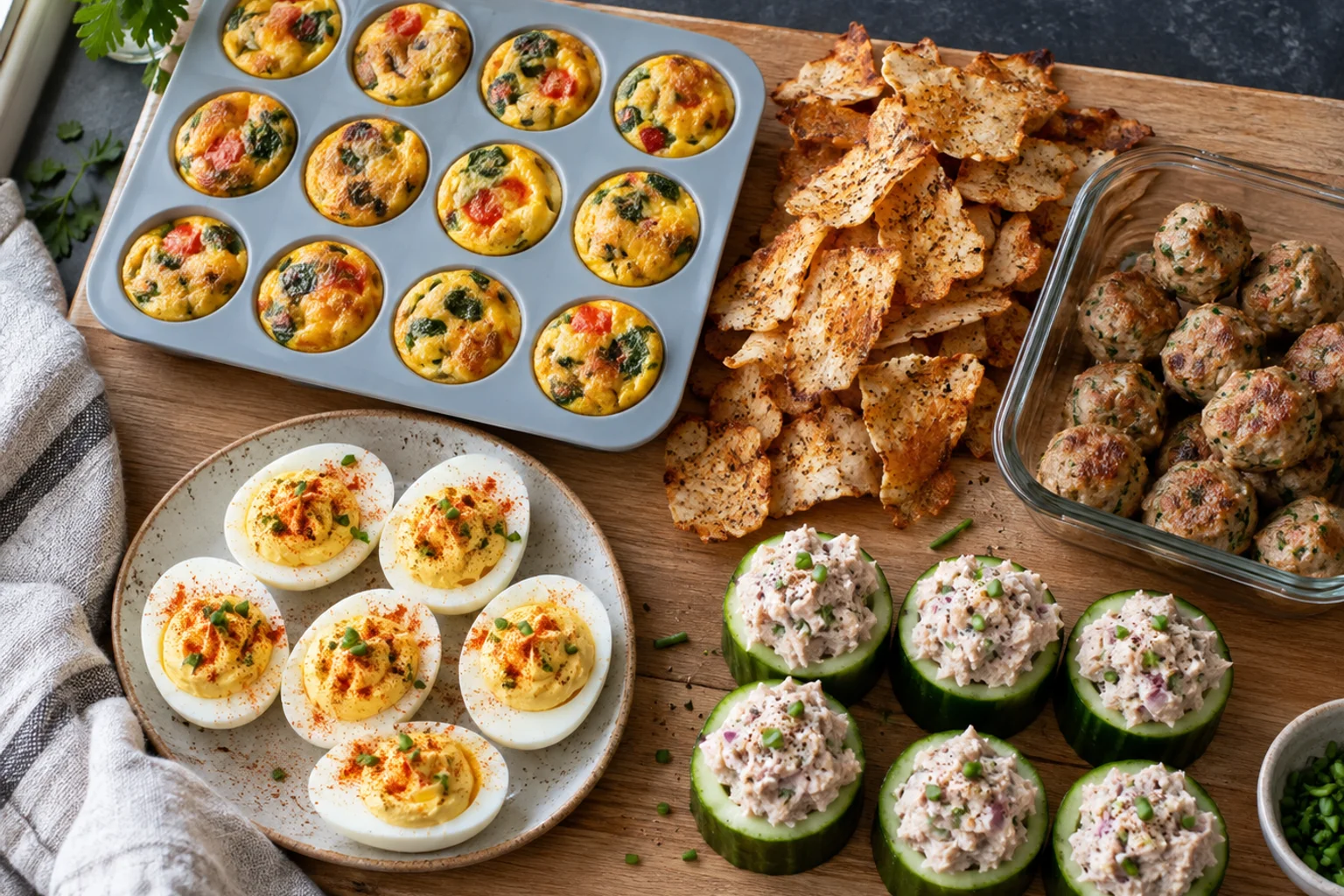
Homemade savory protein snacks start with cheap staples like eggs, chicken, turkey, salmon and tuna. Each of the eight recipes below takes 80 minutes or less and gives 8 to 31 grams of protein per serving. Cook everything to its safe temperature, cool it within 2 hours, and one 90-minute session stocks the fridge for the week.
Key takeaways
- Seven of the eight recipes finish in 40 minutes or less; the longest is 80 minutes (chicken chips, including cooling).
- Protein runs from about 8 g (two deviled egg halves) to about 31 g (eight turkey meatballs) per serving.
- Chicken chips (about 19 g protein per 100 calories) and tuna cucumber bites (about 19 g) lead on protein per calorie.
- Safe internal temps: poultry 165°F (74°C), ground meat 160°F (71°C), fish 145°F (63°C), egg dishes 160°F (71°C).
- Cool cooked food within 2 hours in shallow containers, and reheat leftovers to 165°F (74°C).
- Hard-boiled eggs keep 1 week in the fridge, peeled or unpeeled, per USDA.
Why make homemade savory protein snacks?
Homemade savory protein snacks cost less per gram of protein than packaged ones. A packaged egg bite or meat stick often runs $1.50 to $3 per serving, and making the same snack at home cuts that by half or more. You also control the salt, and nothing needs a shelf-stable preservative because you eat it within days or freeze it.
Savory snacks hold up better than sweet ones between meals. Protein plus a little fat plus something crunchy keeps you full longer, which is the logic behind the targets in how much protein should a snack have. If you would rather compare store-bought options, savory high-protein snacks covers them.
This site rates a healthy protein snack per serving: 10 g or more protein, under 200 calories, 5 g or less total sugar, 3 g or more fiber and under 400 mg sodium, ranked by grams of protein per 100 calories (how the method works). The homemade target here is 15 to 25 g of protein per serving, so a few recipes run above 200 calories and work as small meals.
Which homemade savory snack has the most protein?
Baked turkey meatball bites have the most protein per serving at about 31 g, and crispy chicken chips follow with about 26 g. Chicken chips and tuna cucumber bites give the most protein per 100 calories, at about 19 g each. Nutrition values are estimates calculated from USDA FoodData Central entries for the listed ingredients.
| Snack | Protein (g) | Calories | Protein per 100 calories (g) | Total time (min) | Best make-ahead window |
|---|---|---|---|---|---|
| Oven egg bites (3 bites) | 19 | 210 | 9 | 40 | 4 days fridge, 3 months freezer |
| Greek yogurt deviled eggs (2 halves) | 8 | 85 | 9 | 40 | 3 days fridge |
| Crispy chicken chips | 26 | 135 | 19 | 80 | 3 days airtight, re-crisp if soft |
| Turkey meatball bites (8) | 31 | 200 | 16 | 38 | 4 days fridge, 3 months freezer |
| Salmon or tuna patty bites (4) | 20 | 150 | 13 | 40 | 3 days fridge, 3 months freezer |
| Turkey and cheese roll-ups (2) | 19 | 190 | 10 | 15 | 3 days fridge |
| Tuna cucumber bites (4) | 15 | 80 | 19 | 30 | 2 days fridge, assemble fresh |
| Egg-white frittata muffins (2) | 11 | 85 | 13 | 37 | 4 days fridge, 3 months freezer |
After a workout, the recipes with more protein and some carbohydrate from sides fit best; see post-workout protein snacks.
What temperatures keep meat, fish and egg snacks safe?
Meat, fish and eggs are higher-risk foods than nuts or bars, so a few rules matter more here than anywhere else in this section. An instant-read thermometer (shop at Amazon, opens in a new tab) makes all of them easy.
Minimum internal temperatures
These are USDA FSIS and FoodSafety.gov minimums. Measure in the thickest part of the food, away from the pan.
| Food | Minimum internal temperature |
|---|---|
| Poultry (chicken, turkey, whole or ground) | 165°F (74°C) |
| Ground beef, pork, lamb | 160°F (71°C) |
| Fish and shellfish | 145°F (63°C) |
| Egg dishes (egg bites, frittatas, quiche) | 160°F (71°C) |
| Leftovers and casseroles, reheated | 165°F (74°C) |
Ground turkey is poultry, so strictly it belongs at 165°F. The recipes here use 165°F for turkey meatballs and chicken, and 160°F for egg dishes.
Cool fast, store cold
Bacteria multiply between 40°F and 140°F (4°C to 60°C), the danger zone. Under the two-hour rule, cooked food goes into the fridge within 2 hours, or within 1 hour if the room is above 90°F (32°C).
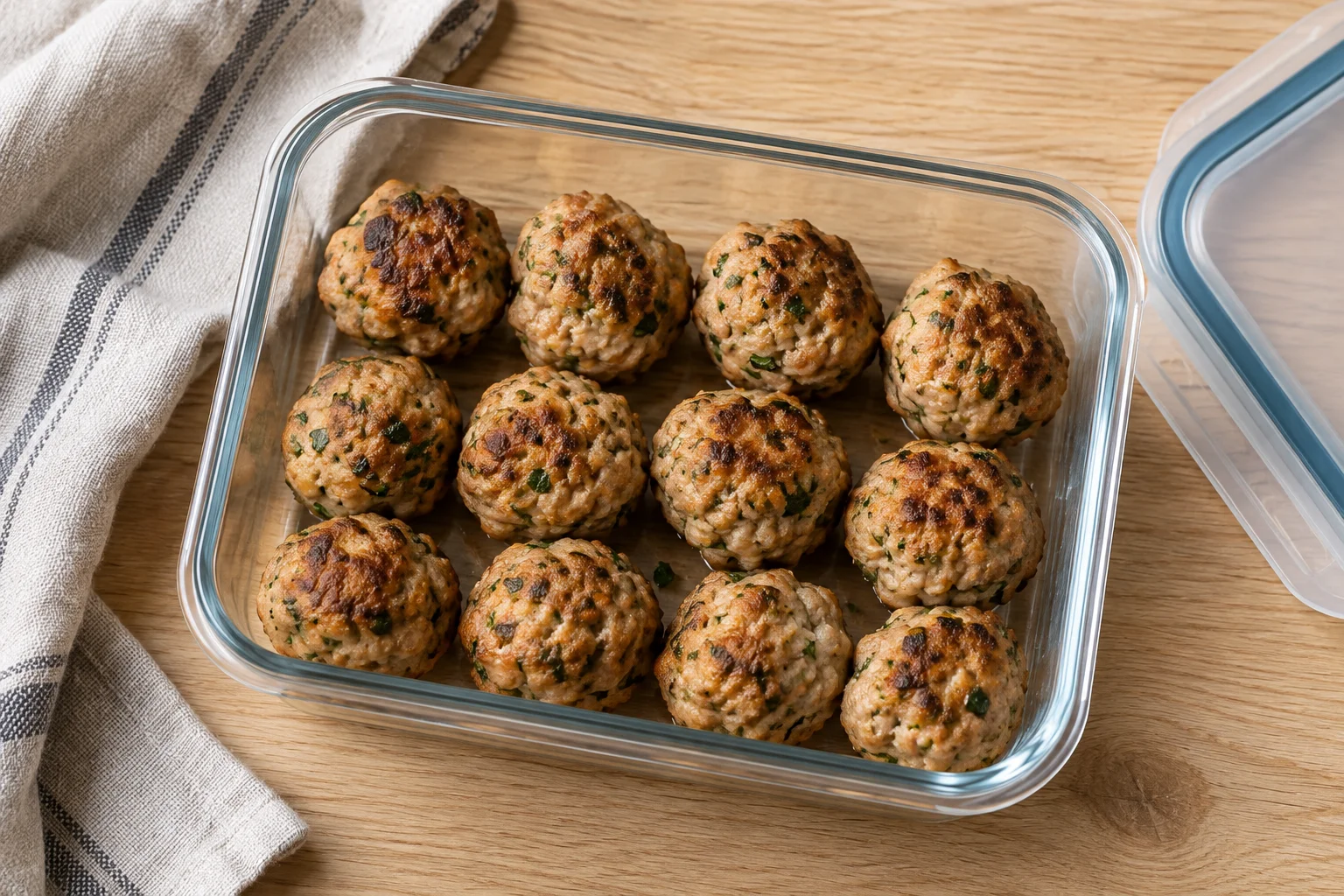
Large, hot batches cool slowly in the middle. Spread meatballs or patties in a shallow layer, no deeper than 2 inches, in glass meal-prep containers (shop at Amazon, opens in a new tab), or set a sheet pan in the fridge for 20 minutes before boxing them. Keep the fridge at or below 40°F (4°C) and the freezer at 0°F (-18°C).
Reheating
Reheat refrigerated or thawed leftovers to 165°F (74°C) all the way through. Microwave egg bites and meatballs covered, stir or rotate halfway, and check with the thermometer. Roll-ups, tuna bites and deviled eggs are served cold, so keep them in the fridge or in an insulated snack bag (shop at Amazon, opens in a new tab) with an ice pack and eat them within 2 hours of leaving the fridge.
Deli meat, listeria and pregnancy
Listeria can grow at refrigerator temperatures, and deli meats are a recognized source. The CDC and FDA advise pregnant people, adults 65 and older, and anyone with a weakened immune system to avoid cold deli meat unless it is heated to 165°F (74°C) or steaming hot. If that describes you, skip the roll-ups, or warm the turkey in a skillet first and eat it hot. Ask your doctor about tuna too: the FDA lists canned light tuna as a "best choice" at 2 to 3 servings a week and albacore as a "good choice" at one serving a week.
How do you make hard-boiled eggs for snacks?
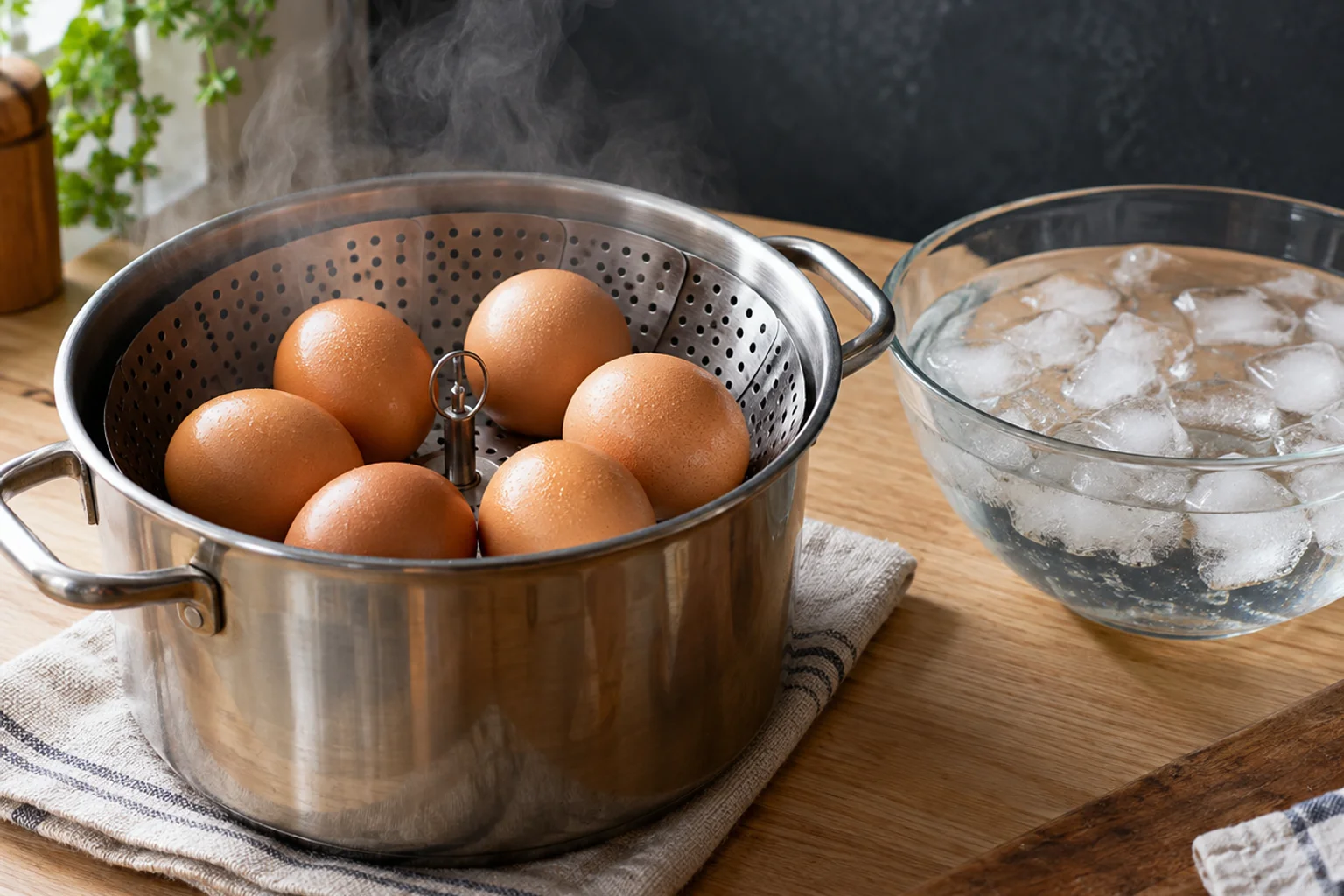
Hard-boiled eggs are the fastest protein snack: one large egg has about 6 grams of protein and 70 calories. Steaming beats boiling for peeling and consistency because the eggs are not knocked around in bubbling water, and the shell tends to release cleanly. Steam 12 minutes for fully set yolks.
- Put 1 inch (2.5 cm) of water in a pot and bring it to a rolling boil.
- Lower cold large eggs (shop at Whole Foods, opens in a new tab) straight from the fridge into a steamer basket, or onto a rack, in a single layer.
- Cover and steam for 12 minutes for fully set, pale-yellow yolks. Use 10 minutes for slightly creamy centers and 6 to 7 minutes for soft.
- Move the eggs into a bowl of ice water for 5 minutes. This stops the cooking and helps the membrane pull from the white.
Peeling tricks
- Eggs that are 7 to 10 days old peel more easily than very fresh ones, because the shell membrane clings less as the egg ages.
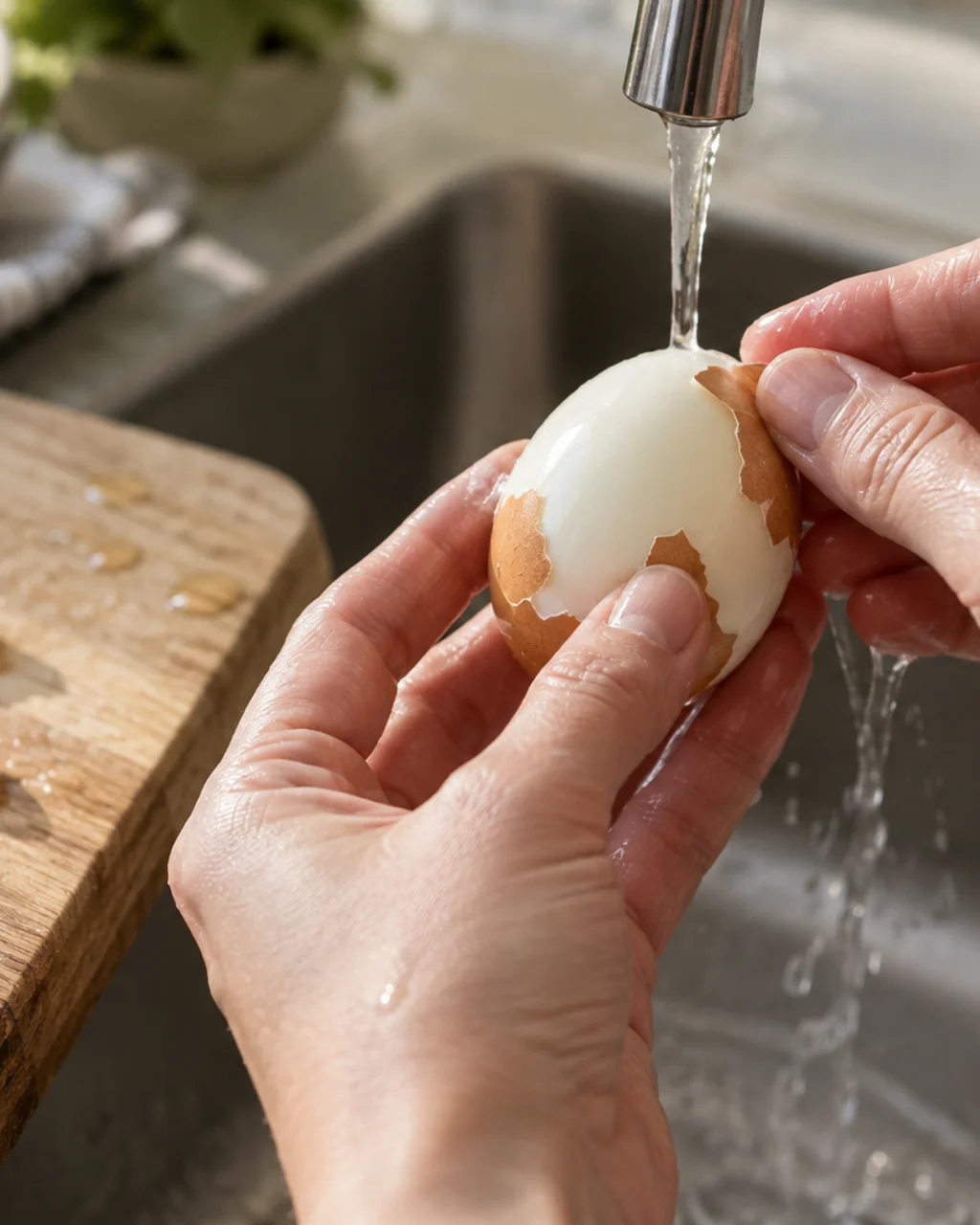
- Crack the shell all over by tapping gently on the counter, then roll the egg under your palm.
- Start at the wide end, where the air pocket is, and peel under a thin stream of cold water or in the ice bath.
- For a stubborn batch, put 3 or 4 eggs in a container with a little water, cap it, and shake for a few seconds to crack the shells, then peel.
USDA guidance is one week in the refrigerator for hard-boiled eggs, peeled or unpeeled. Unpeeled eggs keep better flavor and moisture. Keep peeled eggs in a covered container with a damp paper towel and eat them first. Write the cooking date on the container with a freezer label (shop at Amazon, opens in a new tab). Do not freeze whole hard-boiled eggs; the whites turn rubbery.
Egg bites, deviled eggs and frittata muffins
Three of the eight snacks are egg-based and share the same method: gentle heat, a thermometer check at 160°F (71°C), and fast cooling. The egg bites recipe comes first because it is the most requested, then Greek yogurt deviled eggs and a lower-calorie muffin-tin frittata.
Recipe 1: High-protein egg bites (oven, sous-vide style)
High-protein egg bites are silky when they cook gently, as coffee-shop versions do in a water bath. A 300°F (150°C) oven with a pan of hot water around the molds gives nearly the same texture without a sous-vide machine. Blending cottage cheese into the eggs makes the bites custardy and lifts the protein to about 19 grams per three-bite serving.
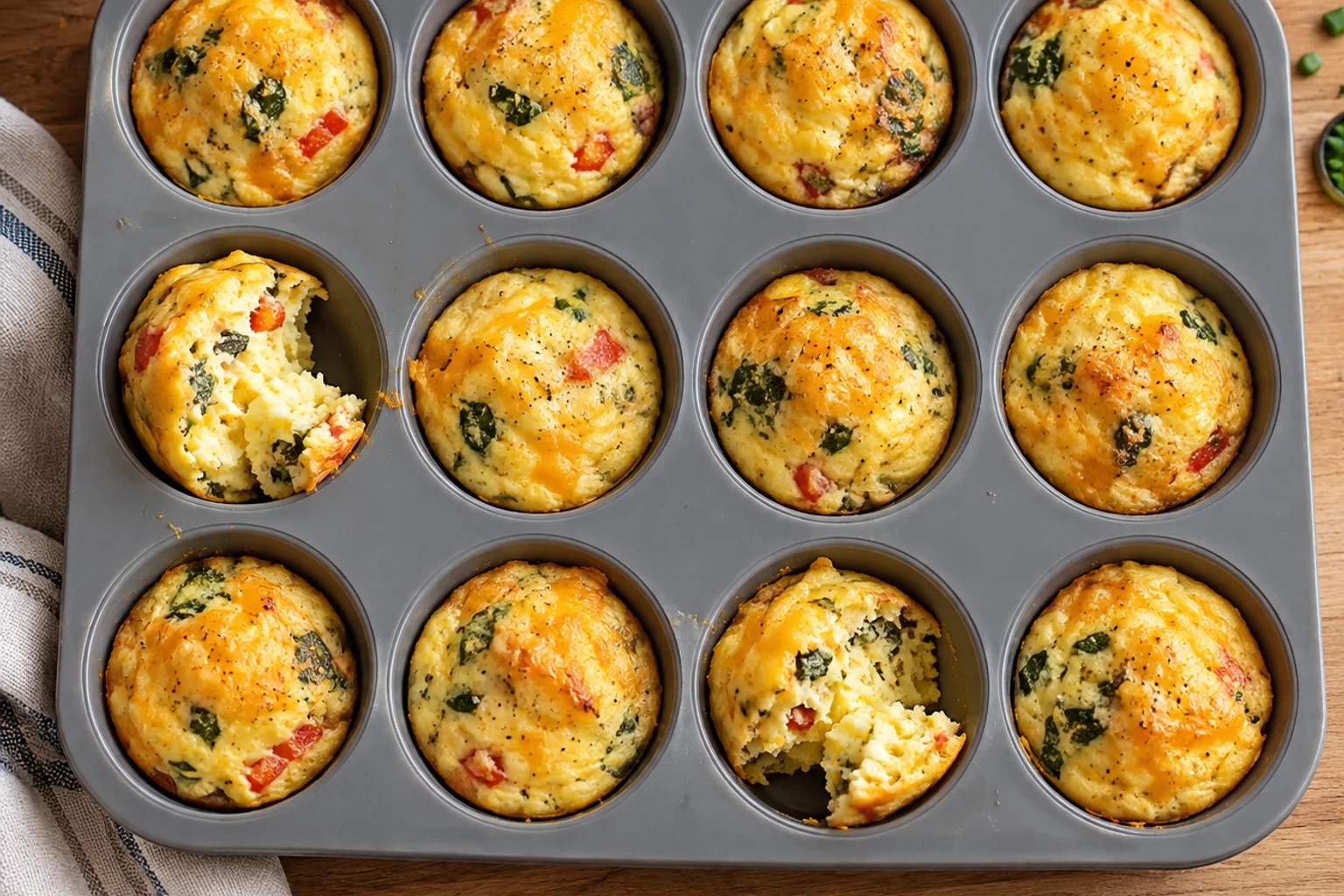
Recipe · Easy · gluten-free, vegetarian
High-Protein Egg Bites (Oven, Sous-Vide Style)
Silky, custard-like egg bites baked in a water bath, with cottage cheese for about 19 g protein per 3-bite serving.
- Prep
- 10 min
- Cook
- 30 min
- Total
- 40 min
- Makes
- 4 servings (12 bites, 3 per serving)
- Protein
- 19g
- Calories
- 210
- Carbs
- 3g
- Fat
- 13g
- Fiber
- 0g
- Sodium
- 490mg
Per serving, approximate.
Ingredients
- 6 large eggs (shop at Whole Foods, opens in a new tab)
- 1 cup (225 g) low-fat cottage cheese (shop at Whole Foods, opens in a new tab)
- 1/2 cup (56 g) shredded sharp cheddar (shop at Whole Foods, opens in a new tab)
- 1/8 tsp kosher salt (shop at Amazon, opens in a new tab)
- 1/4 tsp coarse black pepper (shop at Amazon, opens in a new tab)
- 1 tsp avocado oil spray, for the molds (shop at Amazon, opens in a new tab)
Equipment
Steps
- Heat the oven to 300°F (150°C) with a rack in the center. Bring about 4 cups of water to a near boil in a kettle.
- Blend the eggs, cottage cheese, salt and pepper in a blender or food processor for 30 seconds until smooth and pourable.
- Lightly spray a 12-cup silicone muffin pan, divide the cheddar among the cups, then pour in the egg mixture to about 1/4 inch below the rim.
- Set the filled silicone pan on a rimmed sheet pan, place it on the oven rack, then pour hot water into the sheet pan until it reaches about halfway up the molds.
- Bake 25 to 30 minutes until the centers are set and a thermometer reads 160°F (71°C) in the center of a bite.
- Cool 5 minutes, then pop the bites out. Refrigerate within 2 hours.
Storage: Fridge 4 days in a covered container; freezer 3 months. Reheat to 165°F (74°C).
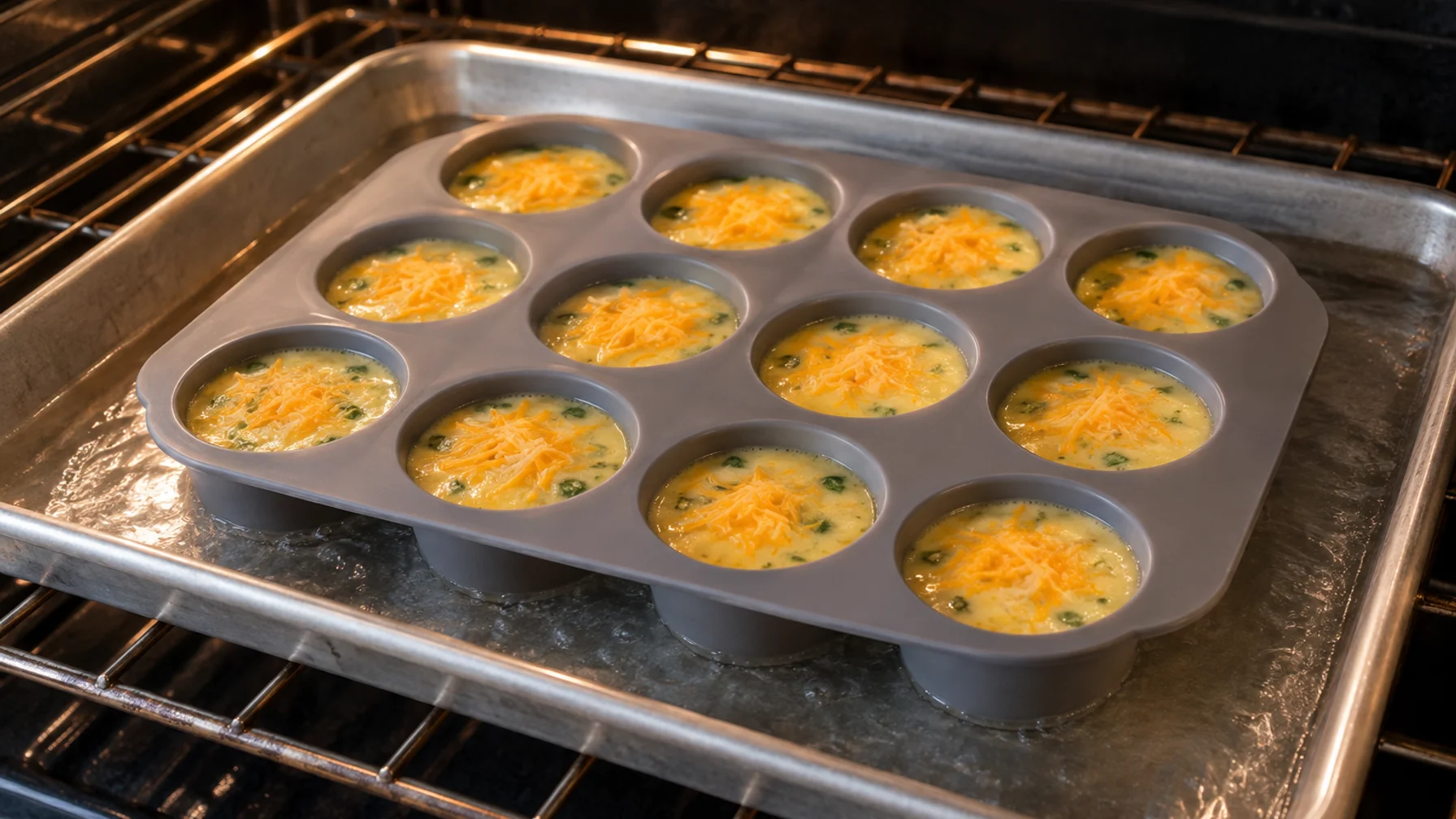
For meal prep, cook, cool and refrigerate the whole tray. To freeze, flash-freeze the bites on a parchment-lined tray for 1 hour, then bag them in zip-top freezer bags (shop at Amazon, opens in a new tab). Reheat from frozen, covered, in the microwave for about 60 to 75 seconds for two bites.
Three flavor variations, each replacing the cheddar and adding about 1/2 cup of fillings per 12 bites:
- Spinach and mozzarella: 1/2 cup squeezed-dry chopped cooked spinach plus 1/2 cup part-skim mozzarella (shop at Whole Foods, opens in a new tab). Lighter, about 190 calories per serving.
- Smoky red pepper: 1/3 cup finely diced roasted red pepper, 1/2 tsp smoked paprika (shop at Amazon, opens in a new tab), and the cheddar. Squeeze the pepper dry on a paper towel.
- Turkey and chive: 1/3 cup finely chopped cooked turkey or chicken (leftover meatballs work) plus 1 tbsp chopped chives. Adds about 3 grams of protein per serving.
Recipe 2: Greek yogurt deviled eggs
Greek yogurt deviled eggs have about 4 grams of protein per half. Swapping mayonnaise for plain nonfat Greek yogurt (shop at Whole Foods, opens in a new tab) cuts fat and adds protein, and mustard and hot sauce make up for the missing richness. Use the steamed eggs from the section above.
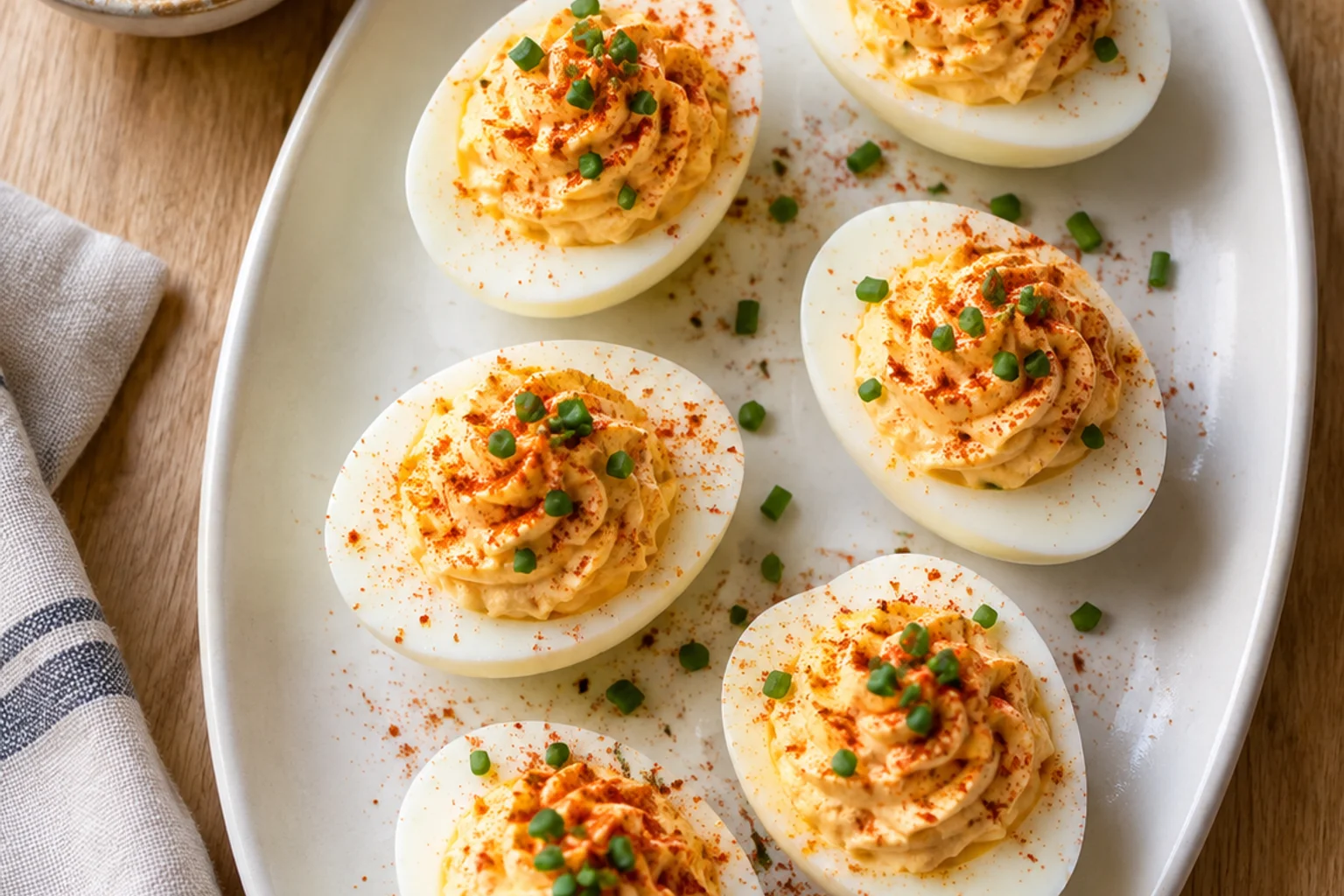
Recipe · Easy · gluten-free, vegetarian
Spicy Greek Yogurt Deviled Eggs
Creamy, tangy deviled eggs made with Greek yogurt and sriracha instead of mayonnaise, about 8 g protein per 2-half serving.
- Prep
- 15 min
- Cook
- 15 min
- Chill/set
- 10 min
- Total
- 40 min
- Makes
- 6 servings (12 halves, 2 per serving)
- Protein
- 8g
- Calories
- 85
- Carbs
- 1g
- Fat
- 5g
- Fiber
- 0g
- Sodium
- 150mg
Per serving, approximate.
Ingredients
- 6 large eggs, steamed 12 minutes and peeled (shop at Whole Foods, opens in a new tab)
- 1/3 cup (80 g) plain nonfat Greek yogurt (shop at Whole Foods, opens in a new tab)
- 1 tsp Dijon mustard (shop at Amazon, opens in a new tab)
- 2 tsp sriracha, plus more to taste (shop at Amazon, opens in a new tab)
- 1/4 tsp smoked paprika, plus extra for dusting (shop at Amazon, opens in a new tab)
- 1 tbsp chopped chives or green onion
- 1 pinch kosher salt (shop at Amazon, opens in a new tab)
Equipment
Steps
- Steam the eggs for 12 minutes, chill them in ice water for 5 minutes, then peel them.
- Halve the eggs lengthwise with a sharp knife, wiping the blade between cuts, and pop the yolks into a bowl.
- Mash the yolks with a fork until fine, then stir in the yogurt, mustard, sriracha, 1/4 tsp paprika and salt until smooth.
- Spoon or pipe the filling back into the whites, dust with extra paprika and top with chives.
- Chill at least 10 minutes. Keep cold and serve within 2 hours of leaving the fridge.
Storage: Fridge 3 days in a covered container, with the filling kept separate from the whites for best texture; do not freeze.
To make them ahead, store the whites and the filling in separate covered containers and fill the eggs the day you serve. The filling can sit in a zip-top bag with a corner snipped, ready to pipe. For less heat, start with 1 tsp of sriracha. Yogurt filling is looser than mayo filling; if it is thin, mash in one extra yolk or use a pinch less yogurt.
Recipe 3: Egg-white frittata muffins
A carton of liquid egg whites (shop at Whole Foods, opens in a new tab) is pasteurized, measures easily, and gives about 5 grams of protein per 1/3 cup for roughly 25 calories. Two whole eggs add color and flavor so the muffins do not taste flat.
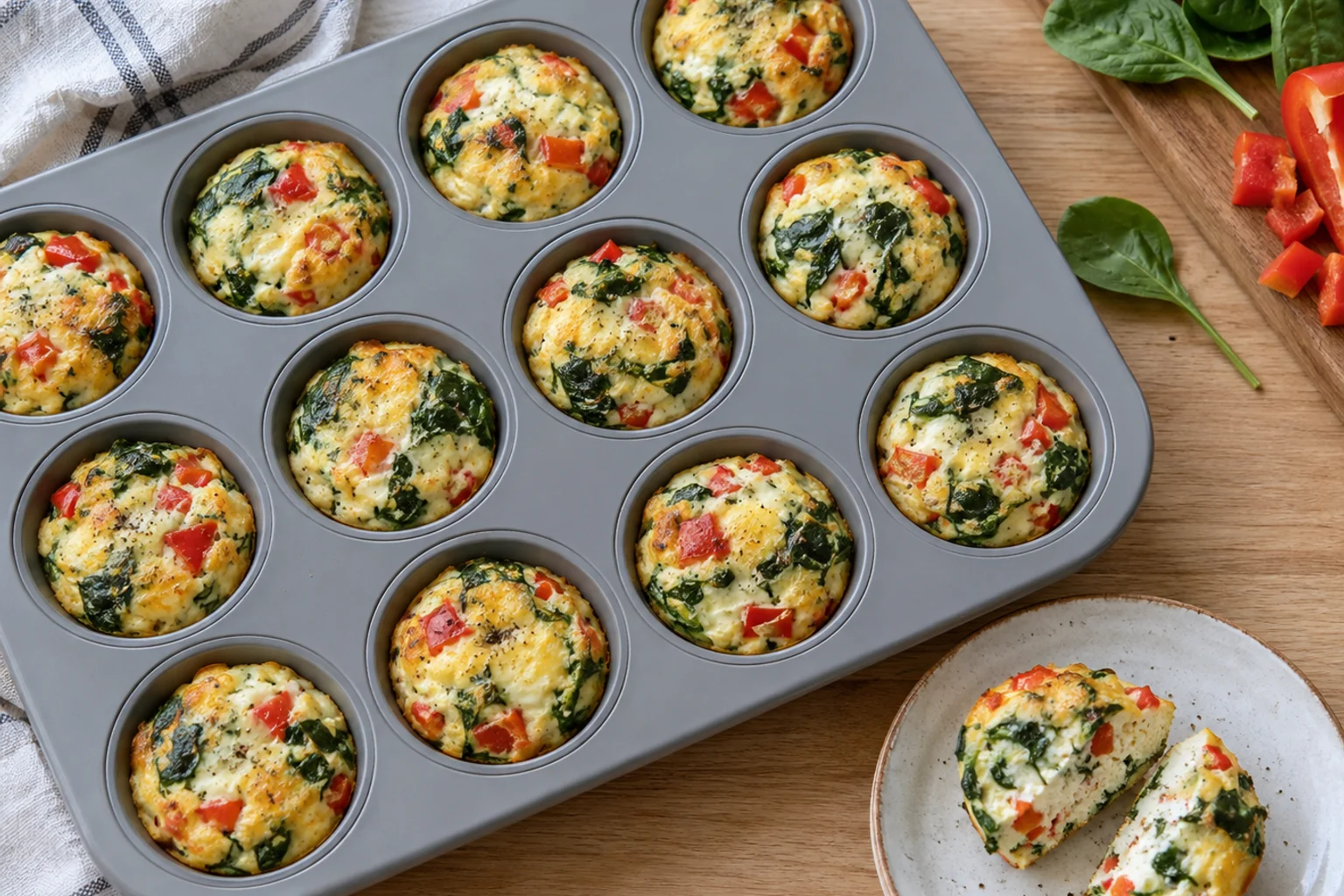
Recipe · Easy · gluten-free, vegetarian
Mini Egg-White Frittata Muffins
Low-calorie, vegetable-packed egg-white muffins with mozzarella, about 11 g protein per serving, baked in 22 minutes.
- Prep
- 15 min
- Cook
- 22 min
- Total
- 37 min
- Makes
- 6 servings (12 muffins, 2 per serving)
- Protein
- 11g
- Calories
- 85
- Carbs
- 2g
- Fat
- 3.5g
- Fiber
- 0.5g
- Sodium
- 250mg
Per serving, approximate.
Ingredients
- 1 1/2 cups (365 g) liquid egg whites (shop at Whole Foods, opens in a new tab)
- 2 large eggs (shop at Whole Foods, opens in a new tab)
- 2 cups (60 g) baby spinach, chopped
- 1/2 cup (75 g) diced red bell pepper
- 1/2 cup (56 g) shredded part-skim mozzarella (shop at Whole Foods, opens in a new tab)
- 1/2 tsp garlic powder (shop at Amazon, opens in a new tab)
- 1/4 tsp kosher salt (shop at Amazon, opens in a new tab)
- 1/4 tsp coarse black pepper (shop at Amazon, opens in a new tab)
Equipment
Steps
- Heat the oven to 350°F (175°C) and lightly grease a 12-cup silicone muffin pan.
- Whisk the egg whites, whole eggs, garlic powder, salt and pepper in a large measuring cup until no streaks remain.
- Divide the spinach, pepper and mozzarella among the cups, filling each about halfway.
- Pour the egg mixture over the vegetables, filling each cup about 3/4 full.
- Bake 20 to 22 minutes until puffed and set; a thermometer in the center must read 160°F (71°C).
- Cool 5 minutes, remove from the pan, and refrigerate within 2 hours.
Storage: Fridge 4 days; freezer 3 months. Reheat to 165°F (74°C).
Fully cooled muffins keep 4 days in the fridge. If you swap in frozen spinach, squeeze it dry, because wet vegetables make watery muffins. Silicone pans release the muffins cleanly; a metal muffin tin works with a good coating of oil spray.
How do you make chicken chips at home?
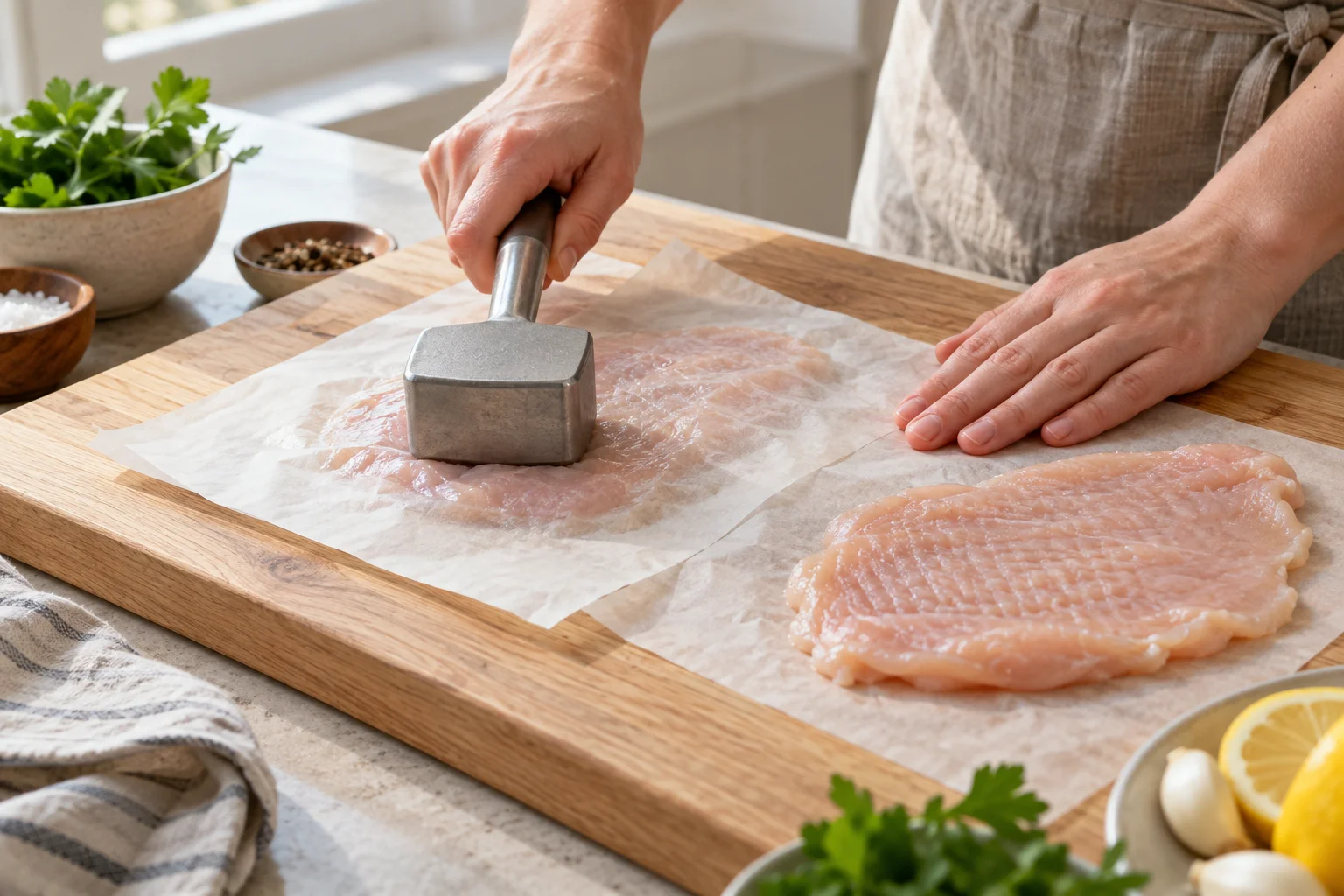
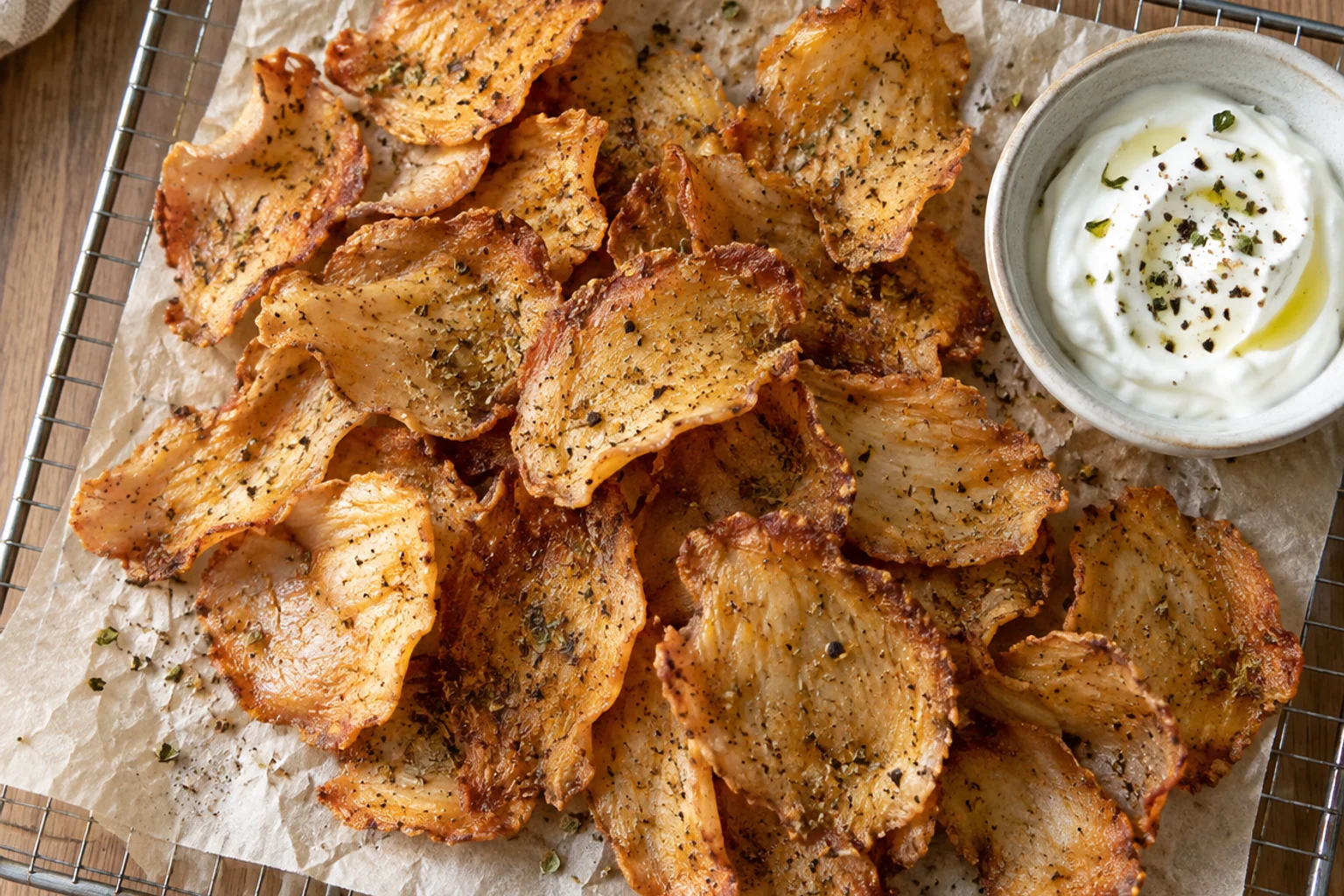
Chicken chips are chicken breast pounded to 1/8 inch (3 mm), seasoned, and baked at 300°F (150°C) for 35 to 45 minutes until dry and crisp. A serving has about 26 grams of protein for about 135 calories. Chicken breast (shop at Whole Foods, opens in a new tab) gives the protein of jerky with a crunch closer to a chip, and thinness is the whole trick: anything thicker stays chewy.
Recipe · Medium · gluten-free, dairy-free
Crispy Chicken-Breast Chips
Paper-thin seasoned chicken breast baked low and slow until the edges crisp, about 26 g protein per serving.
- Prep
- 25 min
- Cook
- 45 min
- Chill/set
- 10 min
- Total
- 1 hr 20 min
- Makes
- 4 servings (about 3 oz / 85 g finished chips each)
- Protein
- 26g
- Calories
- 135
- Carbs
- 1g
- Fat
- 2.5g
- Fiber
- 0g
- Sodium
- 380mg
Per serving, approximate.
Ingredients
- 1 lb (454 g) boneless skinless chicken breast, trimmed (shop at Whole Foods, opens in a new tab)
- 1/2 tsp kosher salt (shop at Amazon, opens in a new tab)
- 1 tsp smoked paprika (shop at Amazon, opens in a new tab)
- 1/2 tsp garlic powder (shop at Amazon, opens in a new tab)
- 1/2 tsp onion powder (shop at Amazon, opens in a new tab)
- 1/4 tsp coarse black pepper (shop at Amazon, opens in a new tab)
- 2 tsp avocado oil spray, for the pans (shop at Amazon, opens in a new tab)
Equipment
- Rimmed half-sheet pans (shop at Amazon, opens in a new tab)
- Oven-safe wire cooling racks (fit half-sheet) (shop at Amazon, opens in a new tab)
- Parchment paper (shop at Amazon, opens in a new tab)
- Instant-read meat thermometer (shop at Amazon, opens in a new tab)
- Air fryer (with dehydrate setting) (shop at Amazon, opens in a new tab)
Steps
- Freeze the chicken for 20 minutes so it is firm, then slice each breast horizontally into 2 or 3 thin cutlets about 1/4 inch (6 mm) thick.
- Place the cutlets between sheets of parchment and pound to 1/8 inch (3 mm), then cut into chip-size pieces about 1 1/2 inches (4 cm) wide.
- Heat the oven to 300°F (150°C). Line two rimmed sheet pans with parchment and mist the paper with oil spray.
- Mix the salt, paprika, garlic powder, onion powder and pepper, then sprinkle over both sides of the chicken. Lay the pieces in a single layer without touching.
- Bake 20 minutes, then check the thickest piece with an instant-read thermometer inserted sideways; it must read at least 165°F (74°C). Flip every piece and bake 15 to 25 minutes longer until the edges are dry and curled.
- Move the chips to a wire rack for 10 minutes; they crisp as they cool. Store only when fully cool and dry.
Storage: Airtight container with a desiccant packet at room temperature for 1 day, fridge 3 days; re-crisp in a 300°F oven for 5 minutes. Freezer is not recommended.
For an air-fryer version, arrange the pieces in a single layer in the air fryer (shop at Amazon, opens in a new tab) basket at 300°F (150°C) for 8 to 10 minutes, flip, and cook 6 to 8 minutes more, in two batches. Check for 165°F in the thickest piece before the edges finish crisping.
Raw, seasoned, pounded chicken keeps in the fridge for 1 day before baking. Cooked chips go soft in humidity, so store them with the lid slightly ajar for the first hour, then seal. For a longer-keeping chicken snack, the method in homemade beef jerky in 2 hours works for turkey and chicken too, and how to preserve homemade protein snacks covers drying and shelf life.
How do you make turkey meatball snacks?
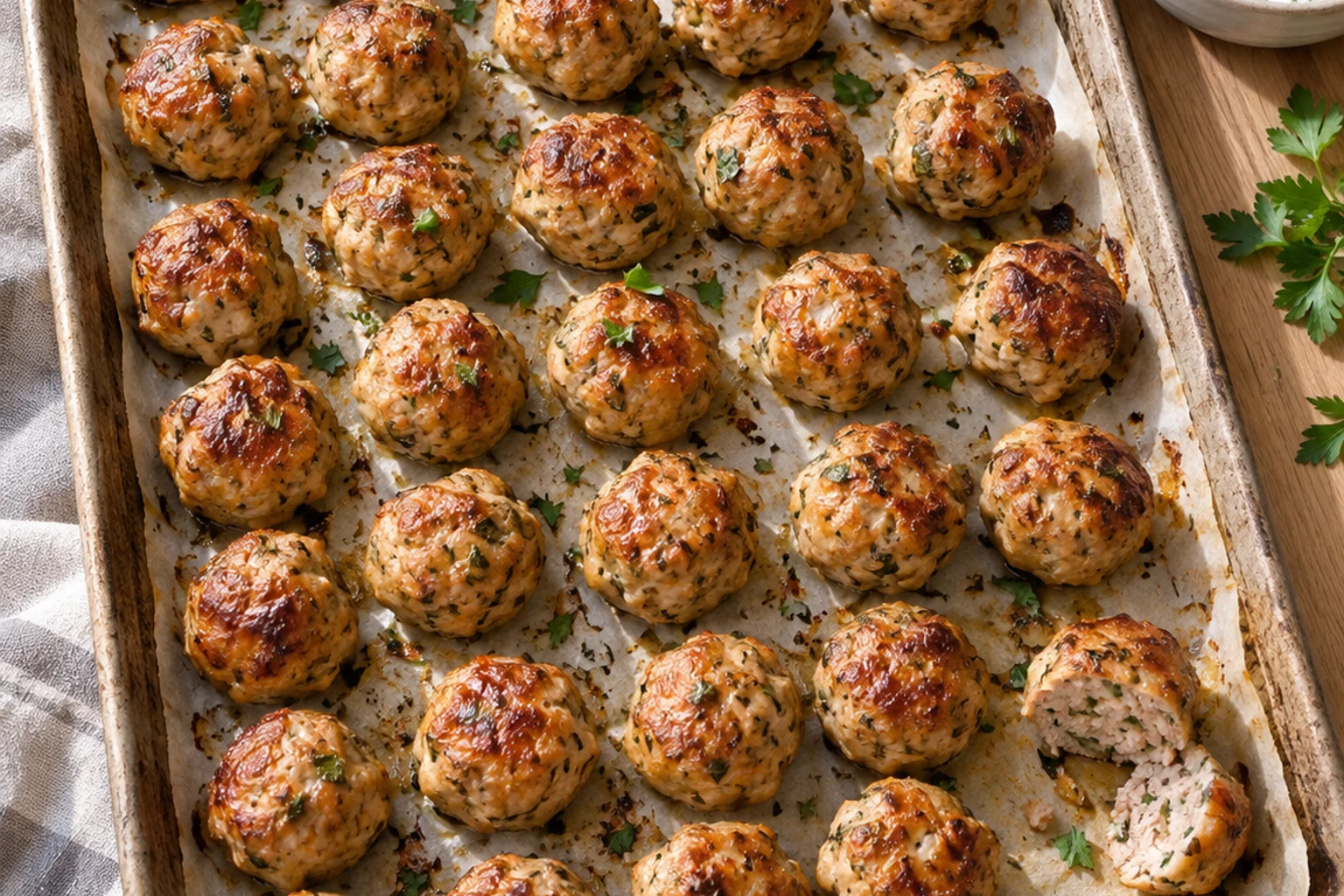
Turkey meatball snacks are 1-inch baked meatballs made from 99% lean ground turkey, oats, egg and Parmesan. They bake at 400°F (200°C) in 16 to 18 minutes, give about 31 grams of protein per 8-meatball serving, and freeze for 3 months, so you can reheat a handful straight from the freezer.
Most turkey meatball recipes are built as dinner. These are sized and seasoned for snacking:
- A 1-tablespoon (19 g) scoop makes a bite-size meatball with about 4 g protein and 25 calories.
- Rolled oats and squeezed-dry grated zucchini hold the moisture that lean turkey otherwise loses, and Parmigiano-Reggiano (shop at Whole Foods, opens in a new tab) adds the savory edge.
- Ground turkey is poultry, so bake to 165°F (74°C) in the thickest meatball.
- Eat them plain, dunk them in Greek yogurt dip, or warm them in a mug of bone broth.
Recipe · Easy
Baked Turkey Meatball Bites (Freezer-Friendly)
One-inch oven-baked turkey meatballs with oats and Parmesan, about 31 g protein per 8-meatball serving, built for the freezer.
- Prep
- 20 min
- Cook
- 18 min
- Total
- 38 min
- Makes
- 4 servings (32 meatballs, 8 per serving)
- Protein
- 31g
- Calories
- 200
- Carbs
- 5g
- Fat
- 6g
- Fiber
- 1g
- Sodium
- 480mg
Per serving, approximate.
Ingredients
- 1 lb (454 g) 99% lean ground turkey (shop at Whole Foods, opens in a new tab)
- 1/3 cup (30 g) old-fashioned rolled oats (shop at Amazon, opens in a new tab)
- 1/2 cup (60 g) grated zucchini, squeezed dry
- 1 large egg (shop at Whole Foods, opens in a new tab)
- 1/4 cup (25 g) finely grated Parmigiano-Reggiano (shop at Whole Foods, opens in a new tab)
- 1 tsp extra-virgin olive oil (shop at Amazon, opens in a new tab)
- 1 tsp garlic powder (shop at Amazon, opens in a new tab)
- 1 tsp onion powder (shop at Amazon, opens in a new tab)
- 1/2 tsp kosher salt (shop at Amazon, opens in a new tab)
Equipment
Steps
- Heat the oven to 400°F (200°C) and line a rimmed sheet pan with parchment.
- Mix all the ingredients in a bowl with your hands just until combined; overmixing makes the meatballs tough.
- Scoop about 1 tablespoon (19 g) at a time with a cookie scoop and roll into balls. Space them 1/2 inch apart on the pan.
- Bake 16 to 18 minutes until browned and the center of the thickest meatball reads 165°F (74°C).
- Rest 5 minutes, then spread in a shallow container and refrigerate within 2 hours.
Storage: Fridge 4 days; freezer 3 months. Reheat to 165°F (74°C).
Can you freeze turkey meatballs for snacks?
Yes. Cool the meatballs on the pan for 15 minutes, freeze them on a parchment-lined tray for 1 hour so they do not clump, then bag them with the date. USDA says food held at 0°F (-18°C) stays safe indefinitely, and 3 months is the quality guide used here.
To reheat from frozen, check for 165°F (74°C) with a thermometer either way:
- Microwave: 8 meatballs, covered, for about 90 seconds, stirring once.
- Oven: a single layer on a sheet pan at 350°F (175°C) for 12 to 15 minutes.
- Fridge thaw: overnight, then reheat as above. Never thaw on the counter.
Ground chicken works in the same recipe at the same 165°F target. Ground beef (93% lean) also works at 160°F (71°C) and gives noticeably more fat. For flavor swaps, add 1 tsp dried oregano and lemon zest for an Italian-style bite, or 1 tsp cumin and 1/2 tsp chili powder for a Southwest one, leaving the base amounts unchanged.
Tuna, salmon and no-cook savory snacks
Fish and deli turkey make the quickest snacks in this group. The fish patties bake in 40 minutes, the roll-ups take 15 with no cooking, and the tuna cucumber bites take 30 with a short chill.
Recipe 6: Salmon or tuna patty bites
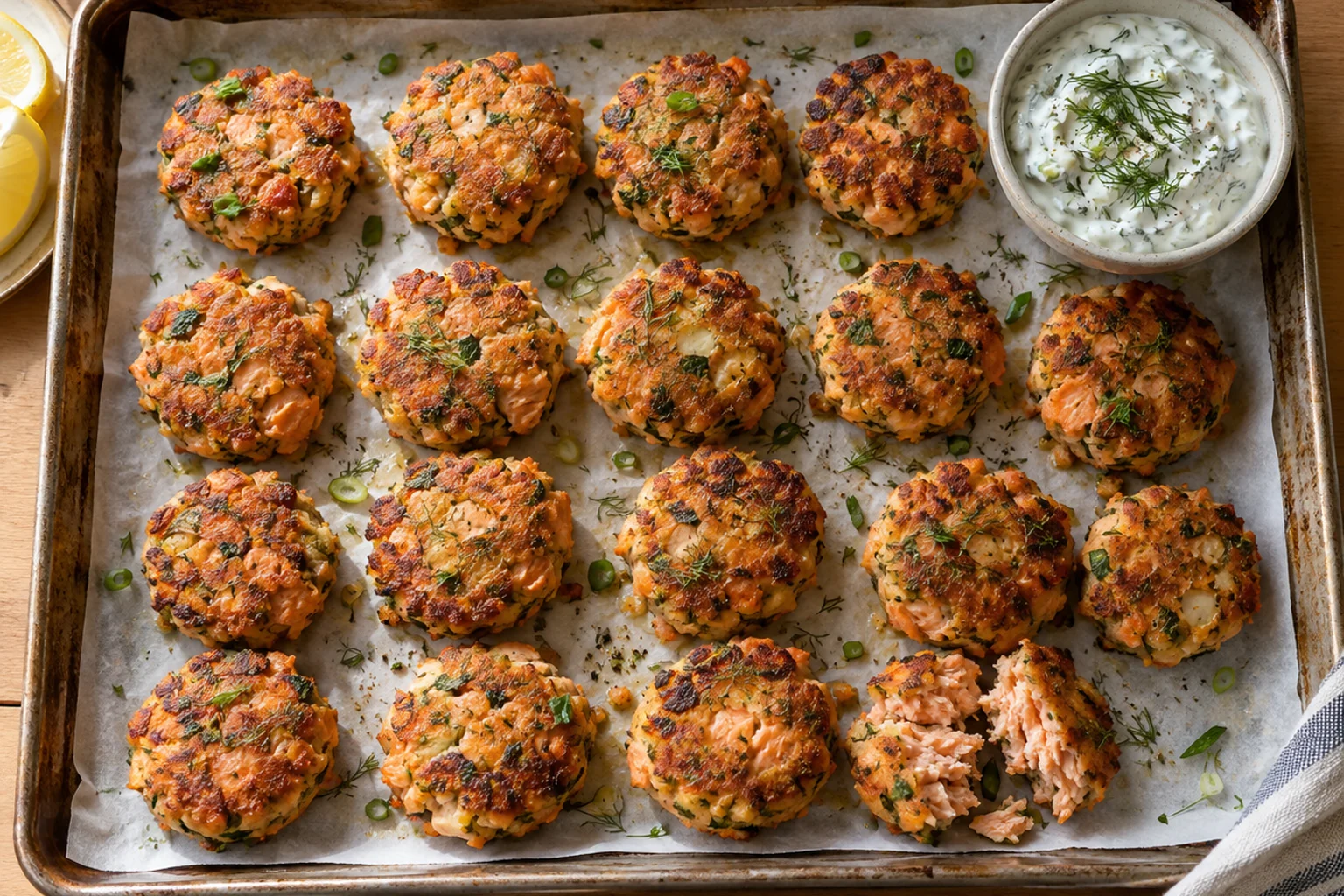
Canned salmon or tuna turns into a mini fish patty in under 40 minutes. Canned wild salmon (shop at Amazon, opens in a new tab) is a good pick because the soft bones add calcium. Prefer fresh? Use about 12 oz (340 g) of skinless salmon fillet (shop at Whole Foods, opens in a new tab), chopped fine, and cook to 145°F (63°C). The bite size keeps every piece quick to cook.
Recipe · Easy
Salmon or Tuna Patty Bites
Mini oven-baked patties from canned salmon or tuna, bound with egg, oats and Greek yogurt, about 20 g protein per serving.
- Prep
- 15 min
- Cook
- 15 min
- Chill/set
- 10 min
- Total
- 40 min
- Makes
- 4 servings (16 mini patties, 4 per serving)
- Protein
- 20g
- Calories
- 150
- Carbs
- 7g
- Fat
- 5g
- Fiber
- 1g
- Sodium
- 340mg
Per serving, approximate.
Ingredients
- 10 oz (284 g) canned wild salmon or light tuna in water, drained (shop at Amazon, opens in a new tab)
- 1 large egg (shop at Whole Foods, opens in a new tab)
- 1/3 cup (30 g) old-fashioned rolled oats, pulsed or crushed (shop at Amazon, opens in a new tab)
- 1/4 cup (60 g) plain nonfat Greek yogurt (shop at Whole Foods, opens in a new tab)
- 1 tsp Dijon mustard (shop at Amazon, opens in a new tab)
- 2 tbsp finely chopped green onion
- 1/4 tsp coarse black pepper (shop at Amazon, opens in a new tab)
- 2 tsp avocado oil spray, for the pan (shop at Amazon, opens in a new tab)
Equipment
Steps
- Drain the fish well, press out extra liquid, and flake it in a bowl, crushing any soft salmon bones with a fork.
- Stir in the egg, oats, yogurt, mustard, green onion and pepper until the mixture holds together, then rest it 10 minutes so the oats absorb moisture.
- Heat the oven to 425°F (220°C) and line a rimmed sheet pan with parchment, lightly misted with oil spray.
- Scoop about 1.5 tablespoons per patty and flatten to 1/2 inch (1.3 cm) thick on the pan.
- Bake 7 minutes, flip, and bake 6 to 8 minutes more until golden and the center reads 145°F (63°C); egg-bound patties are safest at 160°F (71°C).
- Cool in a shallow container and refrigerate within 2 hours.
Storage: Fridge 3 days; freezer 3 months. Reheat to 165°F (74°C).
Shape the raw patties on a tray, cover, and keep them up to 24 hours before baking. On temperatures: USDA lists 145°F for fish and 160°F for egg-containing dishes. Because these patties are bound with egg, aim for 160°F to satisfy both rules. For a lower-carb binder, swap the oats for about 1/4 cup of almond flour (almond meal).
Recipe 7: Turkey and cheese roll-ups with crunchy veg
Turkey and cheese roll-ups need no cooking, take 15 minutes, and give 19 grams of protein per serving. A thin spread of Greek yogurt and mustard replaces cream cheese, and a stick of cucumber or pepper adds crunch. Use lower-sodium deli turkey (shop at Whole Foods, opens in a new tab), which keeps the sodium near 440 mg a serving. See the pregnancy note above before serving this snack to someone who is pregnant or immunocompromised.
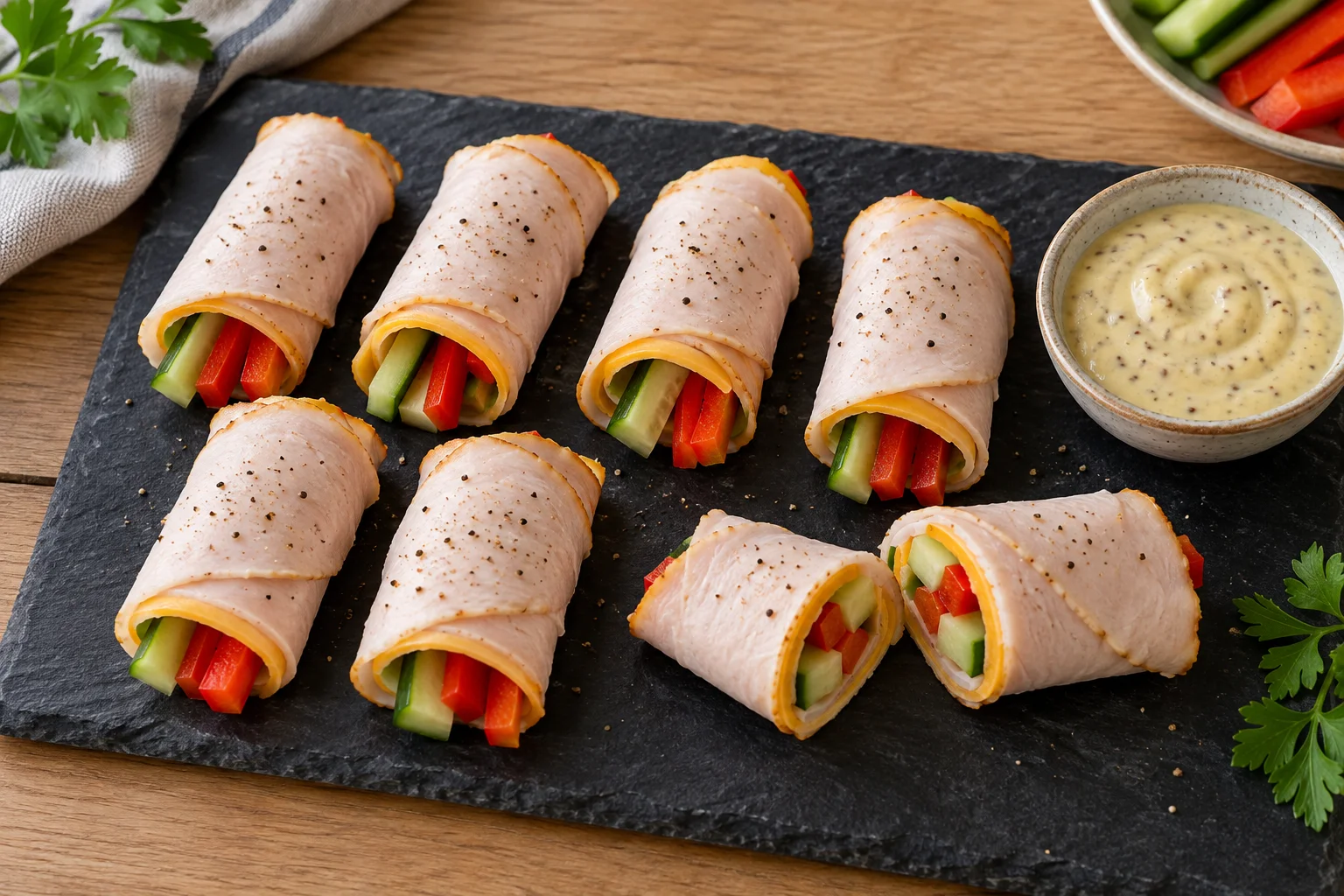
Recipe · Easy · gluten-free
Turkey and Cheese Roll-Ups with Crunchy Veg
No-cook roll-ups of lower-sodium deli turkey, sharp cheddar and a yogurt-mustard spread around cucumber and pepper sticks, about 19 g protein per serving.
- Prep
- 15 min
- Cook
- 0 min
- Total
- 15 min
- Makes
- 4 servings (8 roll-ups, 2 per serving)
- Protein
- 19g
- Calories
- 190
- Carbs
- 4g
- Fat
- 11g
- Fiber
- 1g
- Sodium
- 440mg
Per serving, approximate.
Ingredients
- 8 oz (227 g) lower-sodium sliced roast turkey, 8 slices (shop at Whole Foods, opens in a new tab)
- 4 oz (113 g) sharp cheddar, sliced thin into 8 slices (shop at Whole Foods, opens in a new tab)
- 3 tbsp (45 g) plain nonfat Greek yogurt (shop at Whole Foods, opens in a new tab)
- 1 tsp Dijon mustard (shop at Amazon, opens in a new tab)
- 1 cup cucumber, red pepper and carrot, cut into thin sticks
Equipment
Steps
- Stir the yogurt and mustard together in a small bowl.
- Lay a turkey slice flat, spread about 1 teaspoon of the yogurt mixture over it, and top with a cheese slice.
- Place two or three vegetable sticks along one edge and roll up tightly.
- Chill, seam side down, in a container. Slice each roll in half for bite-size pieces if you like.
- Keep refrigerated and eat within 3 days.
Storage: Fridge 3 days in an airtight container; do not freeze.
Assemble up to 3 days ahead in a container lined with a paper towel to absorb moisture. A wide-mouth mason jar (shop at Amazon, opens in a new tab) keeps the veggie sticks upright and crisp beside the roll-ups. Do not freeze, since turkey slices turn watery and vegetables go limp.
Recipe 8: Greek yogurt tuna cucumber bites
Cucumber replaces crackers in tuna cucumber bites, which cuts the carbs and adds a juicy crunch. Canned light tuna (shop at Amazon, opens in a new tab) in water and Greek yogurt give about 15 grams of protein in four bites for about 80 calories.
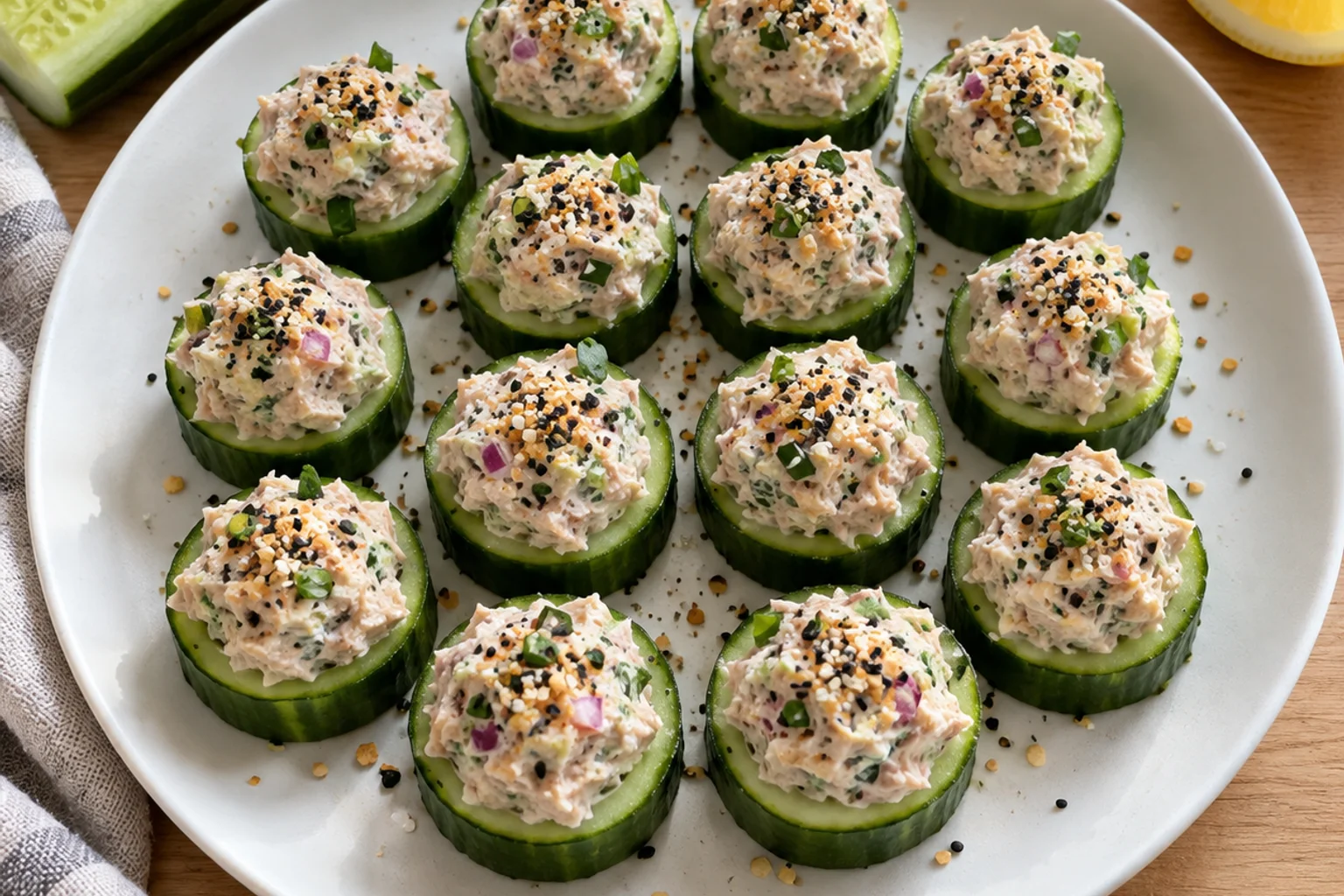
Recipe · Easy · gluten-free
Greek Yogurt Tuna Cucumber Bites
Lemony Greek-yogurt tuna salad piled into hollowed cucumber rounds, a no-cook snack with about 15 g protein per serving.
- Prep
- 20 min
- Cook
- 0 min
- Chill/set
- 10 min
- Total
- 30 min
- Makes
- 4 servings (16 cups, 4 per serving)
- Protein
- 15g
- Calories
- 80
- Carbs
- 4g
- Fat
- 1g
- Fiber
- 1g
- Sodium
- 235mg
Per serving, approximate.
Ingredients
- 2 cans (5 oz / 142 g each) light tuna in water, no salt added if possible, drained and rinsed (shop at Amazon, opens in a new tab)
- 1/3 cup (85 g) plain nonfat Greek yogurt (shop at Whole Foods, opens in a new tab)
- 2 tsp Dijon mustard (shop at Amazon, opens in a new tab)
- 2 tbsp finely diced celery
- 2 tbsp finely diced red onion
- 1 tbsp lemon juice
- 1/2 tsp everything bagel seasoning, for topping (shop at Amazon, opens in a new tab)
- 2 large English cucumbers, cut into 1-inch (2.5 cm) thick rounds
Equipment
Steps
- Drain the tuna very well and rinse it under cold water for 20 seconds; press out the liquid.
- Mix the tuna, yogurt, mustard, celery, onion and lemon juice in a bowl until combined; the mixture should hold its shape.
- Scoop out the center of each cucumber round with a small spoon or melon baller, leaving a 1/4-inch (6 mm) floor.
- Fill each cup with about 1 tablespoon of the tuna salad and sprinkle with everything bagel seasoning.
- Chill 10 minutes, then keep cold until serving.
Storage: Fridge 2 days assembled; the salad alone keeps 3 days. Do not freeze.
Keep the tuna salad and cut cucumber rounds in separate containers and fill them at snack time; filled cups weep water after about 4 hours. Use leftover tuna salad on seed crackers (shop at Amazon, opens in a new tab) or in a lettuce wrap. USDA lists tuna salad at 3 to 5 days in the fridge; use a day or two less for peak texture.
How do you lower the sodium in deli and canned snacks?
Lower the sodium in deli and canned snacks by choosing low-sodium or no-salt-added products, rinsing canned fish, and seasoning with herbs and spices. The Dietary Guidelines for Americans set a limit of 2,300 mg of sodium a day, and the American Heart Association aims lower, at 1,500 mg for most adults. Deli turkey, canned tuna and cheese can each carry 300 to 500 mg per serving, so one snack plate can use a quarter of the day's limit.
- "Low sodium" on a label means 140 mg or less per serving, and "reduced sodium" means at least 25% less than the regular product. "No salt added" tuna typically lands around 50 mg or less per serving, while regular canned tuna is about 250 to 350 mg.
- Draining and rinsing canned tuna and canned salmon removes part of the salt. It also removes a little flavor, so add mustard, lemon juice or black pepper (shop at Amazon, opens in a new tab).
- Smoked paprika, garlic, onion powder, chives and chili flakes add flavor without sodium. The recipes here use 1/8 to 1/2 teaspoon of salt per batch.
- Pair salty snacks with fresh vegetables or fruit, which add potassium and help offset sodium.
- For homemade turkey slices, bake a turkey breast cutlet to 165°F (74°C), chill, and slice thin. Homemade slices run about a third of the sodium of typical deli products.
Sunday batch plan: four snacks in 90 minutes
Batch cooking works best when you stagger the oven and use idle time for prep. This session makes chicken chips, oven egg bites, turkey meatball bites and deviled eggs in about 90 minutes of hands-on and waiting time. It assumes one oven, a stovetop, and an air fryer for the meatballs.
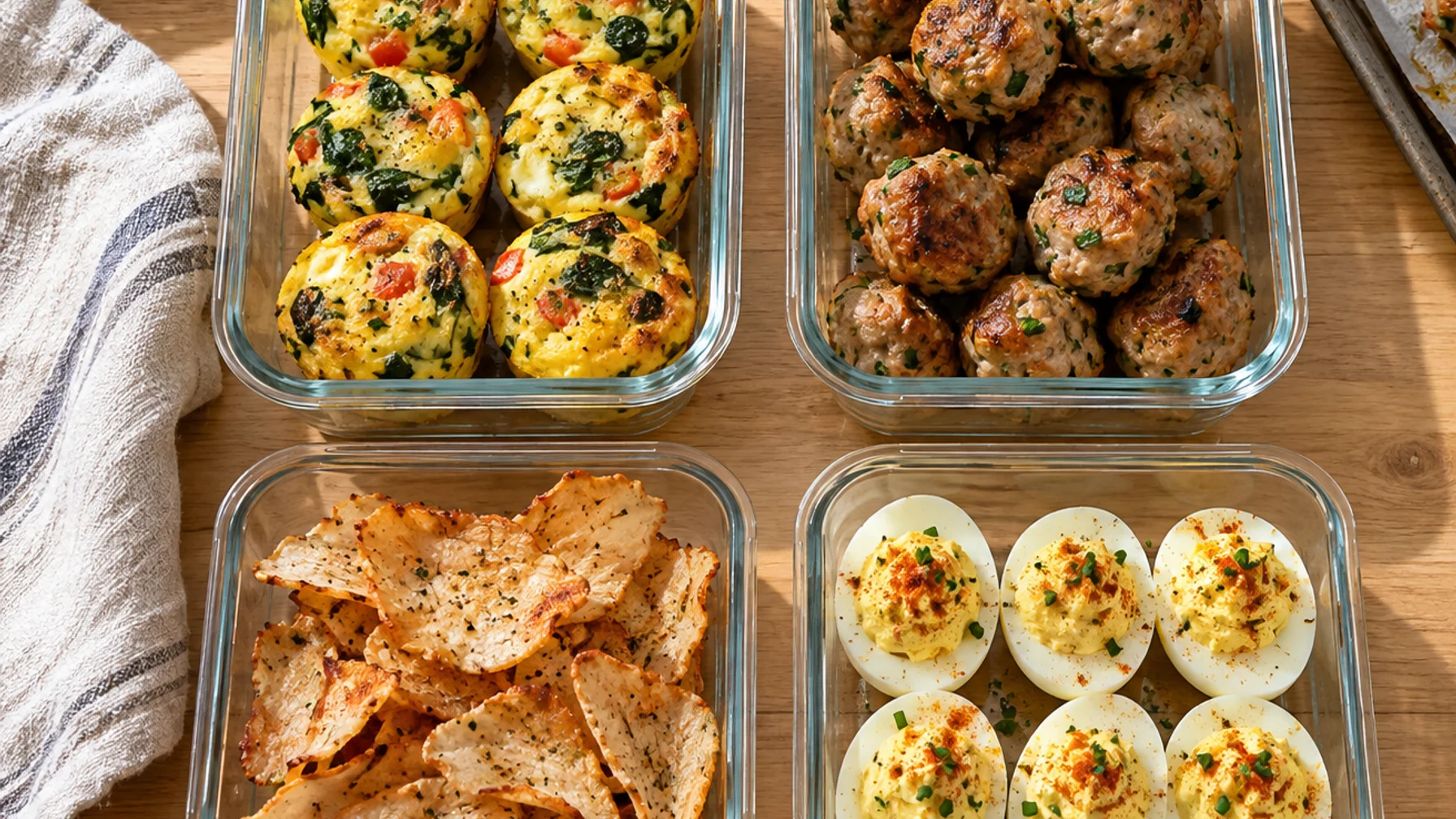
| Clock | Task | Heat |
|---|---|---|
| 0:00 | Heat oven to 300°F (150°C). Start 6 eggs steaming (12 min). Freeze, slice and pound the chicken. | Oven preheating; stovetop |
| 0:12 | Eggs into ice bath. Season the chicken and load two pans. | Stovetop off |
| 0:20 | Chicken chips into the oven, two pans, about 35 minutes. | Oven 300°F |
| 0:20 to 0:45 | While the chips bake: blend egg-bite batter, fill molds, mix and roll meatballs, peel eggs and make the deviled-egg filling. | Hands only |
| 0:55 | Pull the chips to a rack to crisp. Put the egg bites (in their water bath) in the same 300°F oven for 30 minutes. | Oven 300°F |
| 1:00 | Meatballs into the air fryer at 400°F (200°C), two batches of 9 to 10 minutes each. | Air fryer |
| 1:20 | Fill the deviled eggs. Pack cooled chips; spread meatballs in shallow containers. | Hands only |
| 1:25 | Pull egg bites at 160°F (71°C). Cool 5 minutes, then pack everything. | Oven off |
| 1:30 | Everything in the fridge, labeled with the date. | Done |
Without an air fryer, bake the meatballs on a sheet pan at 400°F (200°C) for 16 to 18 minutes after the egg bites come out, which stretches the session to about 110 minutes. Portion before you chill so you eat the right amount, label with a freezer label (shop at Amazon, opens in a new tab), and put the oldest food at the front. A kitchen scale (shop at Amazon, opens in a new tab) helps with portions.
Make-ahead and freezer cheat sheet
| Recipe | Fridge (days) | Freezer (quality) | Reheat or serve |
|---|---|---|---|
| Oven egg bites | 4 | 3 months | Microwave covered to 165°F |
| Deviled eggs | 3 | Do not freeze | Serve cold |
| Frittata muffins | 4 | 3 months | Microwave covered to 165°F |
| Chicken chips | 3 | Not recommended | Re-crisp 5 min at 300°F |
| Turkey meatball bites | 4 | 3 months | Microwave or oven to 165°F |
| Salmon or tuna patty bites | 3 | 3 months | Skillet or oven to 165°F |
| Turkey and cheese roll-ups | 3 | Do not freeze | Serve cold |
| Tuna cucumber bites | 2 | Do not freeze | Serve cold |
Freezing keeps food safe indefinitely at 0°F (-18°C); the time limits above are about quality. Thaw in the fridge overnight, or reheat straight from frozen in the microwave. Never thaw on the counter. The full guide is fridge and freezer storage for protein snacks.
Which snacks work in a lunchbox without reheating?
Cold-served snacks suit an office or school lunch. Pack deviled eggs, roll-ups and tuna cucumber bites with an ice pack, and eat them within 2 hours of leaving the fridge. Cooked egg bites, frittata muffins, meatballs and fish patties are fine cold from the fridge too, though they taste better warm. Chicken chips are the only one that stays crisp at room temperature, for about a day.
How do you build your own variations?
Each recipe follows one pattern: a lean protein, a binder or flavor, and something fresh. Once you know the pattern, swap freely. Chicken chips take any seasoning. Egg bite fillings can be any cooked, well-drained vegetable. Meatballs work with ground chicken, and roll-ups can use thin-sliced roast chicken or a thin spread of cream cheese instead of yogurt. For the full mix-and-match approach, see build your own high-protein snacks. For yogurt and cheese-based ideas, see Greek yogurt, cottage cheese and baked protein snacks.
Shop this article
39 ingredients and tools. Add them to your list, then send it to Amazon, Whole Foods or Instacart.
Meat & fish
- Boneless skinless chicken breastWhole Foods (opens in a new tab)Instacart (opens in a new tab)
- 99% lean ground turkeyWhole Foods (opens in a new tab)Instacart (opens in a new tab)
- Canned wild salmonAmazon (opens in a new tab)Whole Foods (opens in a new tab)Instacart (opens in a new tab)
- Salmon fillet, skin removedWhole Foods (opens in a new tab)Instacart (opens in a new tab)
- Sliced roast turkey (deli, lower sodium)Whole Foods (opens in a new tab)Instacart (opens in a new tab)
- Light tuna in water (cans or pouches)Amazon (opens in a new tab)Whole Foods (opens in a new tab)Instacart (opens in a new tab)
Eggs & dairy
- Large eggsWhole Foods (opens in a new tab)Instacart (opens in a new tab)
- Low-fat cottage cheeseWhole Foods (opens in a new tab)Instacart (opens in a new tab)
- Sharp cheddar cheeseWhole Foods (opens in a new tab)Instacart (opens in a new tab)
- Part-skim mozzarella (shredded or sticks)Whole Foods (opens in a new tab)Instacart (opens in a new tab)
- Plain nonfat Greek yogurtWhole Foods (opens in a new tab)Instacart (opens in a new tab)
- Liquid egg whites (carton)Whole Foods (opens in a new tab)Instacart (opens in a new tab)
- Parmigiano-Reggiano (wedge)Whole Foods (opens in a new tab)Instacart (opens in a new tab)
Oats, grains & binders
- Old-fashioned rolled oatsAmazon (opens in a new tab)Whole Foods (opens in a new tab)Instacart (opens in a new tab)
- Whole-grain or seed crackersAmazon (opens in a new tab)Whole Foods (opens in a new tab)Instacart (opens in a new tab)
Sauces, spices & flavor
- Kosher saltAmazon (opens in a new tab)Whole Foods (opens in a new tab)Instacart (opens in a new tab)
- Coarse-ground black pepperAmazon (opens in a new tab)Whole Foods (opens in a new tab)Instacart (opens in a new tab)
- Avocado oil sprayAmazon (opens in a new tab)Whole Foods (opens in a new tab)Instacart (opens in a new tab)
- Smoked paprikaAmazon (opens in a new tab)Whole Foods (opens in a new tab)Instacart (opens in a new tab)
- Dijon mustardAmazon (opens in a new tab)Whole Foods (opens in a new tab)Instacart (opens in a new tab)
- SrirachaAmazon (opens in a new tab)Whole Foods (opens in a new tab)Instacart (opens in a new tab)
- Garlic powderAmazon (opens in a new tab)Whole Foods (opens in a new tab)Instacart (opens in a new tab)
- Onion powderAmazon (opens in a new tab)Whole Foods (opens in a new tab)Instacart (opens in a new tab)
- Extra-virgin olive oilAmazon (opens in a new tab)Whole Foods (opens in a new tab)Instacart (opens in a new tab)
- Everything bagel seasoningAmazon (opens in a new tab)Whole Foods (opens in a new tab)Instacart (opens in a new tab)
Kitchen tools
- Instant-read meat thermometerAmazon (opens in a new tab)Instacart (opens in a new tab)
- Silicone muffin pan / egg-bite moldsAmazon (opens in a new tab)Instacart (opens in a new tab)
- Rimmed half-sheet pansAmazon (opens in a new tab)Instacart (opens in a new tab)
- Sharp chef's knife or slicing knifeAmazon (opens in a new tab)Instacart (opens in a new tab)
- Oven-safe wire cooling racks (fit half-sheet)Amazon (opens in a new tab)Instacart (opens in a new tab)
- Parchment paperAmazon (opens in a new tab)Whole Foods (opens in a new tab)Instacart (opens in a new tab)
- Air fryer (with dehydrate setting)Amazon (opens in a new tab)Instacart (opens in a new tab)
- Cookie scoop (1 tablespoon)Amazon (opens in a new tab)Instacart (opens in a new tab)
- Digital kitchen scale (grams)Amazon (opens in a new tab)Instacart (opens in a new tab)
Storage & preserving supplies
- Glass meal-prep containers with lidsAmazon (opens in a new tab)Instacart (opens in a new tab)
- Insulated snack bag with ice packAmazon (opens in a new tab)Instacart (opens in a new tab)
- Freezer labels and markerAmazon (opens in a new tab)Instacart (opens in a new tab)
- Zip-top freezer bagsAmazon (opens in a new tab)Whole Foods (opens in a new tab)Instacart (opens in a new tab)
- Wide-mouth mason jarsAmazon (opens in a new tab)Instacart (opens in a new tab)
Frequently asked questions
Are egg bites a good high protein snack?
Yes. Three homemade oven egg bites give about 19 grams of protein for roughly 210 calories, which is about 9 grams of protein per 100 calories. They are filling but not the leanest option, so use egg-white frittata muffins (about 11 grams for 85 calories) when you want fewer calories.
Are protein chips actually healthy?
Homemade chicken chips are a solid choice: a serving has about 26 grams of protein, 135 calories, no sugar and about 380 mg of sodium. Store-bought protein chips vary widely, so check the label for protein per serving, added sugar and sodium, and compare grams of protein per 100 calories.
How much protein is in a tuna bite?
One tuna-salad cucumber bite has about 4 grams of protein and 20 calories, so four bites give about 15 grams. A baked salmon or tuna patty bite has about 5 grams of protein and 38 calories. Draining the fish well and using Greek yogurt keeps the protein high.
Can I make egg bites without a silicone mold?
Yes. Grease a standard metal muffin tin well with oil spray, fill each cup about three-quarters full, and bake it in the same hot water bath at 300°F (150°C) for 25 to 30 minutes. Run a thin knife around each bite to release it, and check for 160°F (71°C).
How do I keep chicken chips crisp?
Cool the chips on a wire rack for 10 minutes, then store them only when fully dry. Keep them in an airtight container with a desiccant packet for 1 day at room temperature or 3 days in the fridge. If they soften, re-crisp them in a 300°F (150°C) oven for 5 minutes.
What can I make with turkey for a high protein snack?
Baked turkey meatballs give about 31 grams of protein per 8-meatball serving, and no-cook turkey and cheese roll-ups give about 19 grams in 15 minutes. You can also fold leftover cooked turkey into egg bites for about 3 extra grams of protein per serving. Cook ground turkey to 165°F (74°C).
Which savory protein snacks here are egg-free?
Crispy chicken chips, turkey and cheese roll-ups and tuna cucumber bites contain no egg. The meatballs and fish patties use one egg as a binder, and the egg bites, deviled eggs and frittata muffins are egg-based. The chicken chips give the most protein of the egg-free group, about 26 grams per serving.
Sources
- USDA FSIS: Food Safety (opens in a new tab)
- FoodSafety.gov: Safe Minimum Cooking Temperatures (opens in a new tab)
- USDA FSIS: Shell Eggs from Farm to Table (opens in a new tab)
- USDA FoodData Central (opens in a new tab)
- FDA: Advice About Eating Fish (opens in a new tab)
- CDC: Listeria (Listeriosis) Prevention (opens in a new tab)
More reading on protein, sugar and snack labels is collected on our resources page.